
Introduction
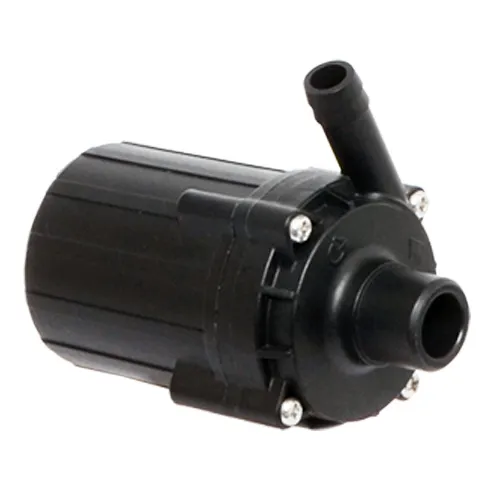
A brushless DC pump (also known as a BLDC pump) is a modern DC water pump technology that has redefined fluid transfer across industries over the past two decades. Brushless dc pump leverages a brushless DC motor to drive a rotor-mounted impeller at high speeds, generating centrifugal force that pressurizes and moves liquids with exceptional efficiency. What sets this engineered fluid transfer solution apart from traditional pumping systems is its unbeatable combination of affordability, compact sizing, high energy efficiency, extended operational lifespan, enhanced safety, and ultra-quiet performance.
Due to these advantages brushless dc water pumps are widely used as a fluid transport functional component in various equipment and industries, agriculture, civil and other fields, it very popular in the market. As a leading global manufacturer of bldc pumps, we’ve created this comprehensive ultimate guide to answer every question you have about this transformative technology—from its core design and fundamental working principle to expert selection, proper operation, routine maintenance, and every critical detail in between.
Table of Contents
What is a Brushless DC Pump (BLDC Pump)?
A brushless DC pump is a specialized DC pumping solution that uses a brushless DC (BLDC) motor to power a precision-engineered impeller, pressurizing and transporting a diverse range of fluids—including water, oil, and air—across commercial, industrial, agricultural, and residential applications. The defining feature of this precision pump is its brushless motor design, which eliminates the mechanical commutation of traditional pumping systems and delivers the high efficiency, long operational life, and quiet performance that cement its status as the top choice for modern fluid transfer needs. As a critical functional component for reliable liquid movement, this DC brushless pump is engineered to deliver consistent, unwavering performance, making it an incredibly versatile solution for nearly any low to medium pressure fluid transfer task across all sectors.
How Does a Brushless DC Pump Work?
Proper operation of a DC brushless pump begins with priming: the pump’s chamber must be fully filled with water to remove all trapped air before startup. Once a DC power supply is connected, the pump’s integrated motor controller precisely regulates the direction and magnitude of electrical current, creating a rotating magnetic field between the rotor’s permanent magnets and the stator windings. This powerful magnetic force drives the rotor to spin smoothly, and the impeller mounted on the rotor spins at high speed in perfect tandem, initiating fluid movement.
As the impeller rotates, it generates powerful centrifugal force on the water inside the pump chamber, throwing the water outward from the impeller’s center and imparting kinetic energy to the fluid. The water then exits the open impeller at high speed and enters the pump’s volute (pump head). In the volute, the curved, expanding flow channel slows the water’s velocity, converting kinetic energy into pressure energy—this pressurization process efficiently pushes the water into the discharge pipe of the DC brushless pump.
Continuous rotation of the impeller creates a negative pressure in the pump chamber, and atmospheric pressure immediately draws more water into the chamber to replace the discharged fluid. This constant, seamless cycle of suction and discharge is the fundamental working principle of every high-efficiency brushless DC water pump, ensuring consistent flow rate and pressure for as long as the pump operates under normal conditions.
Learn more about brushelss dc pump work: What Is a Brushless DC Water Pump and How Does It Work?
Core Structure of a Brushless DC Pump (BLDC Pump)
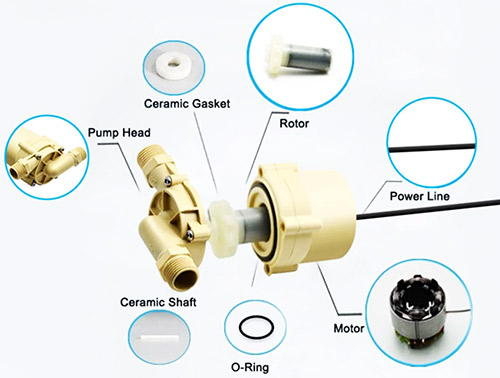
Nearly every commercial DC brushless pump available on the global market shares a standardized core structure, with precision-engineered components that work in perfect harmony to deliver the signature performance these pumps are known for. A high-quality BLDC water pump is composed of a rotor, stator, ceramic shaft, high-performance bearings, impeller, pump body, and pump casing—each individual part is critical to the overall reliability and efficiency of the entire system. Below is a detailed breakdown of the key components that make a DC brushless pump function at its optimal level:
Permanent Magnet
The stator of a brushless DC water pump is typically crafted from premium rare earth permanent magnet materials, carefully chosen for their high coercive force and strong magnetic field anisotropy. These high-grade magnets do not demagnetize when exposed to like poles, making them the ideal magnetic field source for the pump’s motor system and ensuring consistent, reliable performance over the entire operational lifespan of the DC brushless pump.
Shaft
A brushless DC pump—especially a magnetic drive variant—relies on energized coils to spin the rotor, so a smooth, low-friction shaft is a non-negotiable component for optimal performance. Top-tier DC brushless pumps use high-precision ceramic shafts, which minimize rotational resistance and operational noise—two key benefits that make this fluid transfer solution a quiet, highly efficient choice for any application, residential or industrial.
Bearing
The sliding bearings of a brushless DC fluid pump are engineered for extreme durability and long life, with most leading pump manufacturers using engineering plastic steel (POM) or industrial ceramics for these critical components. Both materials offer exceptional heat resistance, corrosion resistance, and wear resistance, and ceramic bearings are the gold standard for a DC brushless pump designed for heavy-duty, continuous operation or high-temperature use cases.
Rotor
The rotor of a brushless DC water pump is a single, fully integrated component, typically injection-molded from high-quality permanent magnets and the impeller itself. This one-piece design eliminates loose parts and significantly reduces friction within the system, boosting the overall efficiency and reliability of the DC brushless pump and minimizing the risk of mechanical failure.
Impeller
The impeller is the hardworking core of a brushless DC fluid pump, and manufacturers select impeller materials based on the specific operating temperature of the fluid being pumped—ensuring optimal performance and longevity for every application:
- PA66: Ideal for a DC brushless pump handling liquids below 70°C (a cost-effective choice for standard, everyday applications)
- PPE: Used in a brushless DC water pump for fluids with temperatures between 70°C and 105°C
- PPS/Aluminum Alloy: The top choice for a high-performance DC brushless pump operating with liquids above 120°C
Impellers for a brushless DC fluid pump are also classified as open, semi-open, or closed—each unique design is tailored to the specific flow rate and pressure requirements of the pump’s intended use, ensuring a perfect match for every fluid transfer task.
Types of Brushless DC Pumps (BLDC Pump Variants)
The global market offers a wide range of high-performance brushless DC pumps, with classifications based on design, application, and drive type. The most important distinction for selecting the right DC brushless pump for your needs is its motor drive configuration, which directly impacts the pump’s waterproofing capabilities, operational lifespan, and overall cost. Below are the two primary types of brushless DC water pumps available today, each with its own set of benefits and ideal use cases:
Brushless DC Motor Water Pump
This entry-level DC brushless pump combines a basic BLDC motor, precision impeller, pump shell, and chamber, with the motor shaft directly connected to the impeller for simple, efficient operation. A key limitation of this particular brushless DC pump design is a small gap between the stator and rotor, which creates a slight risk of water penetration into the motor during long-term, continuous operation—this can potentially cause winding short circuits and damage the pump system. However, this type of DC brushless pump is the most cost-effective option on the market and delivers high efficiency for low-risk, non-submersible applications where water exposure is minimal.
Sealed Magnetic Drive Brushless DC Pump
The premium DC brushless pump design—and the most widely used across all industries—is the sealed magnetic drive variant. Unlike traditional brushed DC motors that use carbon brushes for commutation, this precision brushless DC pump’s motor uses electronic circuit commutation, completely eliminating carbon brush wear—the single biggest cause of pump failure in traditional pumping models. This engineered design extends the operational lifespan of the DC brushless pump far beyond that of both brushed pumps and basic BLDC motor pump variants.
The magnetic drive brushless DC water pump features complete isolation between the stator and rotor, and the stator and circuit board are fully potted with high-quality epoxy resin—this makes the entire pump system fully waterproof and perfectly suitable for submersible use in a wide range of applications. Additional key benefits of this DC brushless pump design include ultra-low operating noise, a compact footprint that saves valuable space, stable, consistent performance under all normal conditions, adjustable flow/head parameters for customizability, and wide voltage operation capabilities, making this magnetic drive variant the most versatile fluid transfer solution for nearly all commercial, industrial, and residential applications.
Brushless DC Pump vs Brushed DC Pump: Key Differences
At the most basic level, a brushless DC pump is driven by a high-performance brushless DC magnet motor, while a traditional brushed DC pump uses a standard carbon brush motor. The innovative brushless design of the modern DC pump delivers a host of performance and reliability advantages over traditional brushed pumps, cementing its status as the top upgrade for any fluid transfer task across every sector. Below are the critical differences that set a brushless DC water pump apart from its brushed counterpart, highlighting why it’s the superior choice for modern applications:
Superior Waterproof Performance
A high-quality brushless DC pump features a fully sealed design that eliminates medium leakage entirely, and the magnetic drive variant’s stator-rotor isolation and epoxy potting deliver a complete, impenetrable waterproof seal. This engineered design allows the DC brushless pump to be used as a fully submersible pump, a critical capability that brushed pumps lack due to their exposed carbon brush commutation system, which is highly susceptible to water damage.
Higher Working Efficiency
The brushless DC motor at the heart of a modern DC brushless pump is far more energy-efficient than traditional brushed motors, meaning a DC brushless pump delivers the exact same flow and head performance with significantly lower power consumption—reducing energy costs and environmental impact. A brushless DC water pump also requires no independent lubrication or water cooling systems for operation, further reducing overall energy use and making it an even more sustainable, cost-effective fluid transfer choice for all users.
Minimal Vibration
Brushless DC fluid pump uses powerful magnetic force to drive rotor rotation, which provides natural damping and vibration reduction properties built into the system. This engineered design minimizes the mechanical impact on the pump—a common and costly issue with traditional brushed pumps—and also lessens the effects of cavitation vibration on the pump’s motor and critical internal components, extending the overall lifespan of the entire system.
Ultra-Low Operating Noise
A brushless DC water pump can be precisely calibrated by adjusting the stator winding turns to perfectly match specific application needs, and the electronic commutation of the DC brushless pump produces almost no electromagnetic noise during operation. The result is a high-performance pump with operating noise far lower than a brushed DC pump of the same performance level—most standard DC brushless pump models operate at less than 40dB, with specialized silent variants running at under 25dB, making them ideal for use in residential spaces and indoor commercial environments where noise is a concern.
Built-In Overload Protection
A key safety feature of brushless DC pump is its high-precision ceramic shaft design: water slips smoothly on the ceramic surface when the pump is overloaded, preventing motor overheating and protecting the entire DC brushless pump system from costly damage and mechanical failure. Traditional brushed pumps lack this inherent, built-in protection feature and are highly prone to motor burnout under even mild overload conditions, leading to frequent repairs and replacement costs.
Unmatched Advantages of a Brushless DC Pump (BLDC Pump)
As we all know, brushless DC pump inherits all the exceptional benefits of its brushless DC motor core, and leading manufacturers have refined the pump design to amplify these advantages specifically for fluid transfer applications across all industries. The DC brushless pump has become the go-to choice for engineers and buyers worldwide thanks to its unbeatable combination of top-tier performance, long-term reliability, and unparalleled versatility. Below are the core advantages that make a brushless DC water pump the superior pumping solution for nearly any fluid transfer task:
Exceptional Overall Performance
A high-quality BLDC pump boasts an extremely low repair rate (often zero with proper use and maintenance) and offers a compact, space-saving size, high energy efficiency, low power consumption, and zero pollution—making it an eco-friendly choice for all applications. The DC brushless pump is also highly safe for all operating environments, fully waterproof (in magnetic drive variants), and compatible with a wide range of media including weak acids, weak alkalis, and clean water, expanding its application range far beyond that of traditional pumping systems.
Ultra-Quiet Operation
Top-tier brushless DC pumps use high-precision, premium materials for their ceramic shafts and bearings, completely eliminating mechanical noise from friction within the system. As noted earlier, a standard DC brushless pump operates at ≤40dB, and small-power silent variants run at <25dB—quiet enough for even the most noise-sensitive residential and indoor commercial use cases, such as aquariums, home cooling systems, and office equipment.
Extremely Long Lifespan
Brushless DC water pump is engineered for heavy-duty, continuous operation in even the most demanding environments, with an expected operational lifespan of at least 30,000 hours of normal use. The premium magnetic drive DC brushless pump design has a rated working life of 50,000 to 60,000 hours—a stark contrast to traditional brushed pumps (1,000-5,000 hours of service life) due to carbon brush wear and tear, making the DC brushless pump a far more cost-effective long-term investment.
Wide Operating Temperature Range
A brushless DC fluid pump made with PPE or PPS components performs reliably in both indoor and outdoor conditions with liquid temperatures up to 120°C, making it suitable for a wide range of moderate to high-temperature applications. With optimized motor control circuit heat dissipation systems, a specialized high-temperature DC brushless pump can handle working liquids at over 180°C, making this engineered pumping solution perfect for industrial high-heat applications where traditional pumps would fail quickly.
Flexible Control & Built-In Protections
Brushless DC pump supports advanced control methods including PWM, CAN BUS, and LIN, allowing for precise, customizable adjustment of flow rate and water head to match exact application needs. Every high-quality DC brushless pump also features built-in multi-layer protections for over-temperature, over-voltage, and over-current conditions, preventing costly damage to the system and ensuring the pump operates safely and reliably in all environmental conditions, even with minor fluctuations in power or fluid properties.
Fully Customizable Design
Brushless DC water pump is an incredibly customizable fluid transfer solution, and leading manufacturers can design and manufacture a custom DC brushless pump to match your exact application requirements—including specific operating conditions, performance points, and special functions tailored to your unique needs. This level of customization makes the DC brushless pump a perfectly tailored solution for unique industrial, agricultural, or residential fluid transfer tasks that traditional one-size-fits-all pumps cannot accommodate.
How to Choose Brushless DC Pump?
There are many types of Brushless dc pumps in the market. So, what are the principles for customer to purchase a bldc water pump for their application? Generally speaking, when selecting a brushless DC centrifugal pump, the following aspects can be considered:
1. Flow & Head Requirements
First, clearly define the DC brushless pump’s primary purpose: liquid delivery, cooling, circulation, water supply, or another specific task. Calculate the required flow rate, lift (head), and working pressure—including maximum flow and maximum head—based on the liquid’s delivery distance, pipe length, and height difference in your system. This is the foundational step of choosing a properly sized, high-performance brushless DC pump that will meet all your operational needs.
2. Liquid Properties:
Identify the key characteristics of the fluid the brushless DC water pump will handle, including viscosity, temperature, and corrosivity levels. Different DC brushless pump materials and designs are precision-optimized for specific liquids, so matching the pump to the fluid is critical to avoid damage to the system and ensure consistent, reliable performance over time.
3. Power Requirements
Calculate the exact power needed to drive the brushless DC pump to meet your specific flow and head demands. Ensure the DC brushless pump you select has sufficient power to operate at your required working point—an under powered pump will fail to deliver the needed performance and may overheat during operation, leading to premature wear and tear or mechanical failure.
4. Pump Dimensions & Weight
Select a brushless DC fluid pump with a size and weight that perfectly fits your available installation space and mounting requirements. Consider the DC brushless pump’s intended installation method (submersible, inline, portable) and the supporting structure needed to securely mount the pump during operation, ensuring stability and minimizing vibration and noise.
5. Material Selection:
Choose a brushless DC water pump with components made from materials that are fully compatible with your working fluid and operating environment. For corrosive liquids, select a BLDC pump with corrosion-resistant ceramics or high-grade plastics; for high-temperature fluids, opt for a pump with PPS or aluminum alloy impellers and heat-resistant bearings to ensure optimal performance and longevity.
6. Bearing Quality
High-quality, durable bearings are a non-negotiable component for a reliable brushless DC pump, as they ensure smooth, low-friction rotation and minimize operational noise and wear. Always select a BLDC water pump with industrial ceramic or POM bearings—these premium materials deliver the exceptional durability needed for long-term, continuous pump operation in all conditions.
7. Performance Curve
Review the detailed performance curve of the brushless DC fluid pump to confirm it delivers consistent flow rate and water head at your specific working point and under all normal operating conditions. A well-designed, high-quality DC brushless pump will have a flat performance curve, ensuring the pump operates stably and reliably even with minor fluctuations in pressure or flow within your system.
8. Control Mode
Determine if you need speed/flow regulation for your brushless DC water pump based on your specific application needs. Most modern bldc water pumps come with a built-in controller that adjusts motor speed (and thus flow/head) via PWM, 0-5V analog signals, or simple manual adjustment. Select a brushless DC pump with a control mode that perfectly matches your application’s need for precision, flexibility, or ease of use.
9. Reliability & Maintenance
Evaluate the comprehensive reliability data provided by the brushless DC pump manufacturer and review the pump’s maintenance requirements and recommendations. A premium DC brushless pump requires minimal maintenance (thanks to its innovative brushless design), so prioritize a pump with a proven track record of durability and low upkeep to minimize downtime and repair costs over its lifespan.
10. Cost Factor
After evaluating all critical performance and design factors, conduct a thorough cost analysis of potential brushless DC pumps for your application. Compare the upfront purchase price of different bldc pump models with their expected lifespan, energy efficiency, and long-term maintenance costs—choose a cost-effective pump that fits your budget without sacrificing the critical performance and reliability features your application requires.
11. Manufacturer & Supplier Reputation
Select a brushless DC fluid pump from a reputable, established manufacturer with a long history of producing high-quality DC brushless pump systems and exceptional customer support. A trusted manufacturer will provide comprehensive technical support, industry-leading warranty coverage, and easy access to genuine replacement parts for your pump, ensuring long-term reliability and minimal downtime for your system.
12. User Feedback & Reviews
Check real-world user feedback and independent reviews for the specific DC brushless pump models you’re considering for your application. This will give you valuable insight into how the pump performs in actual, real-world applications and help you avoid bldc pump models with known flaws, performance issues, or reliability problems reported by other users.
In short, the selection of brushless DC centrifugal pump needs to consider multiple factors according to the specific application conditions and requirements, to ensure that the selected pump can work stably and reliably, and meet the required flow and head requirements.
Power Supply Options for a Brushless DC Pump (BLDC Pump)
Once you’ve selected the perfect brushless DC pump for your specific application, the next critical step is choosing the right power supply for your pump system. A brushless DC water pump is a DC-powered device, so it can be powered by nearly any DC energy source—this incredible flexibility is one of the key benefits of this engineered pumping solution, making it suitable for indoor, outdoor, mobile, and off-grid applications across all industries. Below are the most common and reliable power supply methods for a brushless DC fluid pump, each ideal for different use cases and operating environments:
Power Adapter
The most common and widely used power source for a brushless DC pump is a standard high-quality AC-to-DC power adapter. Simply plug the adapter into a household or commercial AC power grid and connect it to the DC brushless pump’s power leads—this is the ideal solution for stationary, indoor bldc pump applications where a consistent AC power supply is available.
Car Cigarette Lighter Plug
For mobile, on-the-go applications, a brushless DC water pump can be powered directly via a standard car cigarette lighter plug for quick, easy operation. Most portable DC brushless pump models come with a compatible plug pre-installed, making this pump the perfect choice for on-the-go fluid transfer tasks like RV water supply, vehicle cooling systems, and mobile industrial applications where a car power supply is available.
New Energy Vehicle Power Battery
The high-voltage DC power battery in electric vehicles (EVs) and hybrid cars can directly power a brushless DC fluid pump without the need for additional converters or adapters. This is an increasingly popular solution for EV cooling systems and mobile industrial applications, as the DC brushless pump’s native DC design matches the vehicle’s power source perfectly with no additional energy conversion needed, maximizing efficiency and minimizing power loss.
Dry Batteries
Standard consumer dry batteries (AA, AAA, C, D, 9V) provide a reliable source of DC power and can be used to run a small to medium-power BLDC pump for portable applications. This is a great backup power option for a DC brushless pump in case of main power outages or a primary power source for portable, low-power pump applications in remote areas where no other power supply is available.
Solar Panels
Brushless DC water pump is the perfect choice for off-grid and renewable energy applications, as it can be powered directly by the clean DC electricity generated by solar panels with no additional conversion needed. A solar-powered DC brushless pump is ideal for agricultural irrigation, remote water supply systems, and outdoor projects—this makes the brushless DC pump a sustainable, energy-independent fluid transfer solution that reduces environmental impact and eliminates ongoing energy costs.
Speed & Head Adjustment for Brushless DC Pumps (BLDC Pumps)
One of the biggest advantages of a brushless DC pump over traditional AC pumps is its fully adjustable speed, flow rate, and water head—this incredible flexibility allows the DC brushless pump to be precisely calibrated to exact application requirements, maximizing energy efficiency and overall performance for every use case. Brushless DC fluid pump supports multiple advanced speed regulation methods, all of which adjust the motor’s operating speed to control the pump’s flow rate and water head with precision. Below are the most commonly used speed adjustment methods for a BLDC Pump, each ideal for different levels of control and application needs:
PWM Speed Adjust
PWM (Pulse Width Modulation) is the most popular and widely used speed control method for a brushless DC pump, thanks to its precision and energy efficiency. This advanced technique changes the duty cycle of the PWM signal to adjust the average voltage across the DC brushless pump’s motor, which controls the motor’s operating speed and thus the pump’s water head and flow rate with exact precision. PWM regulation is highly precise and incredibly energy-efficient, making it the top choice for most professional and industrial DC brushless pump applications where accuracy is critical.
0-5V Analog Signal Speed Regulation
BLDC pump can be easily controlled via a 0-5V analog signal, which delivers smooth, linear speed regulation for simple, intuitive operation. At 0V, the DC brushless pump’s motor stops entirely; at 5V, the motor runs at its maximum rated speed for maximum flow and head. The brushless DC pump’s operating speed (and thus flow/head) adjusts proportionally with the input voltage, making this method ideal for applications that require simple, continuous speed adjustment with no complex controls needed.
Manual Speed Regulation
Many brushless DC water pump models come with a dedicated speed regulation wire that connects directly to a potentiometer for simple, hands-on control. This manual control method allows for smooth, stepless speed adjustment of the DC brushless pump, making it easy to fine-tune the pump’s flow rate and water head for on-the-spot application changes and adjustments, perfect for small-scale or residential use cases where flexibility is key.
Input Voltage Speed Regulation
The simplest and most straightforward method to adjust a brushless DC pump’s operating speed is to vary the input DC voltage (within the pump’s rated voltage range for safe operation). Increasing the input voltage boosts the motor’s operating speed, increasing the DC brushless pump’s flow rate and water head; decreasing the voltage slows the motor and reduces flow/head accordingly. This method is best for basic, low-precision applications that don’t require exact, calibrated speed regulation and need a simple, easy-to-use control method.
How to Use a Brushless DC Pump?
When you buy a brushless DC water pump and apply it to your product or application system, the first thing you need to consider is how to use the water pump correctly, as you do not want to damage the water pump due to wrong operation. So, you may be asking the pump manufacturer how should we operate correctly? Based on answering the questions of many users or brushless DC water pump enthusiasts, Below, we will teach you step by step on how to use the brushless DC water pump correctly. Let’s get started.
Step 1: Identify the BLDC Pump’s Power Polarity
Remove the brushless DC pump from its original packaging and carefully locate the positive and negative power leads on the pump system. Most standard DC brushless pump models use red wiring for positive and black wiring for negative, but if your specific pump has different colored wires, always refer to the included test report or official manufacturer’s documentation for accurate polarity information to avoid damage.
Step 2: Confirm the BLDC Pump’s Rated Voltage
Check the clearly marked nameplate on the brushless DC water pump to verify its exact rated DC voltage for safe operation. Supplying a voltage lower than the rated value will result in poor pump performance and inefficient operation, while an over-voltage supply will quickly burn out the DC brushless pump’s motor and control circuit—always ensure the power supply perfectly matches the pump’s rated voltage for safe, optimal operation.
Step 3: Prime the BLDC Pump Chamber
Before starting the brushless DC pump for the first time (or after any period of inactivity), fill the pump chamber with at least one-third water (or submerge one-third of the pump body in water) to properly prime the system. If your specific DC brushless pump’s control circuit is not epoxy-potted, do not submerge the entire pump body—only the inlet should be placed in the water to avoid costly motor damage and electrical issues.
Step 4: Connect the Power Supply Correctly
Connect the positive lead of the brushless DC fluid pump to the positive terminal of the DC power supply, and the negative lead to the negative terminal of the power supply. Incorrect polarity connection will immediately damage the DC brushless pump’s control circuit, so always double-check all connections before turning on the pump system to ensure safe operation.
Step 5: Use Clean Fluid Only
A brushless DC water pump is precision-engineered to handle clean water and other clean fluids—sewage, dirty water, or water with large solid impurities will quickly block the pump’s impeller and cause the rotor to jam on the ceramic shaft. This jamming leads to excessive motor heat buildup, which quickly burns out the DC brushless pump’s control circuit or windings, resulting in costly damage or complete pump failure.
Step 6: Operate Within the BLDC Pump’s Specifications
Always follow the official manufacturer’s operating instructions and safety precautions for your specific brushless DC pump model. Do not run the DC brushless pump beyond its rated flow rate, water head, temperature, or voltage limits—this will cause premature wear and tear on the pump’s critical components and lead to early mechanical failure, reducing the overall lifespan of the system.
Step 7: Secure the BLDC Pump During Operation
Always mount or fix the brushless DC fluid pump securely in place when it’s running and in operation. Unsecured operation leads to excessive vibration and movement, which can damage the DC brushless pump’s internal components and significantly reduce the pump’s overall performance—secure mounting also minimizes operational noise and ensures stable, consistent flow and pressure.
Step 8: Monitor the BLDC Pump’s Performance
Regularly check the brushless DC water pump for any signs of abnormal noise, excessive vibration, or flow rate reduction during operation. Perform routine maintenance as recommended by the manufacturer, including cleaning the pump body and removing any accumulated impurities from the DC brushless pump’s chamber to ensure optimal performance and long life.
In addition to strictly following the installation instructions when using a brushless DC water pump, you should also pay attention to the following two points:
Critical Additional Usage Tips
- Clear Blockages Immediately: A blocked water inlet on a brushless DC pump allows debris and impurities to enter the chamber, which quickly wears the impeller, pump casing, and ceramic shaft—this drastically shortens the overall lifespan of the DC brushless pump system. Clean the pump’s inlet and chamber regularly, and replace any damaged components promptly to avoid further damage.
- Troubleshoot Faults Right Away: Never run a faulty brushless DC pump (a “sick” pump system). If you notice severe bearing wear during inspection, replace the bearings immediately to avoid excessive energy consumption and cavitation (which causes permanent damage to the impeller). If the DC brushless pump vibrates violently during operation, stop it at once and inspect the system—replace a deformed or bent shaft immediately to prevent further damage to the pump’s critical components.
Basic Repair of a Brushless DC Pump (BLDC Pump)
A brushless DC pump is an extremely reliable, low-maintenance device, and mechanical failures are rare outside of manufacturing defects or improper use and operation. However, if your DC brushless pump does malfunction due to improper operation or normal wear and tear, basic repairs can often restore the pump to full working condition—always disconnect the power supply completely before performing any repair or maintenance on a brushless DC pump to ensure personal safety and avoid further damage to the system. Below is a step-by-step guide to basic DC brushless pump repair for common mechanical issues:
Step 1: Drain the BLDC Pump Chamber
Nearly all brushless DC pump mechanical failures involve the rotor, ceramic shaft, or bearings, so start the repair process by removing the pump head cover and draining all residual water and fluid from the DC brushless pump’s chamber to prepare for disassembly.
Step 2: Disassemble the Brushless DC Pump in Order
Disassemble the brushless DC fluid pump’s components in the reverse order of assembly (always refer to the manufacturer’s official diagram for your specific model if needed). Clean each individual DC brushless pump part thoroughly with a soft brush and clean water, then inspect each part carefully for cracks, physical damage, or excessive wear and tear. Replace any severely damaged components only with genuine DC brushless pump parts from the original manufacturer to ensure optimal performance and compatibility.
Step 3: Replace Worn Bearings
Mechanical failures in a brushless DC water pump are most often caused by worn, damaged bearings or pitting/looseness on the bearing surface after long-term use. If you notice these issues during inspection, replace the bearings with new, genuine parts for your DC brushless pump—this is the single most common and straightforward repair for these pump systems.
Step 4: Inspect and Secure the Impeller
Carefully check the brushless DC pump’s impeller for cracks, rust holes, or any other physical damage that could impact performance. Tighten the impeller’s fixing nut if it has become loose over time—this simple, quick fix can resolve flow rate reduction in a DC brushless pump caused by a slipping impeller during operation. Replace the impeller with a genuine part if it’s damaged beyond repair or if the damage is impacting performance.
Step 5: Replace a Bent or Worn Shaft
A bent, deformed, or worn ceramic shaft is another major cause of BLDC pump failure and poor performance. The maximum allowable bend for a high-quality DC brushless pump shaft is 0.05mm—if the shaft exceeds this tolerance during inspection, repair or replace it immediately with a genuine brushless DC pump shaft from the manufacturer to restore optimal performance.
Step 6: Repair or Replace a Damaged Pump Casing
A brushless DC fluid pump’s casing or pump head can crack due to water hammer impact during operation or frozen residual water in cold weather conditions, which can cause leaks and poor performance. If the casing has small cracks, repair it with a high-quality epoxy sealant designed for fluid pump systems; for larger cracks or severe damage, replace the casing with a new, genuine casing for your DC brushless pump to ensure a perfect seal and optimal performance.
Step-by-Step Cleaning of a Brushless DC Pump (BLDC Pump)
Regular, proper cleaning is critical to maintaining the optimal performance and long operational lifespan of your brushless DC pump, and cleaning a DC brushless pump is a simple, straightforward process when done correctly and following the manufacturer’s guidelines. The key to safe, effective cleaning is to avoid damaging the pump’s electronic components or precision mechanical parts—always disconnect the power supply completely before cleaning a brushless DC pump to ensure safety and prevent electrical damage. Below is a universal step-by-step guide to cleaning a brushless DC fluid pump that applies to most models on the market:
Step 1: Disconnect Power and Remove the BLDC Pump
Unplug the brushless DC pump from its power supply and carefully remove it from your fluid transfer system. This is the most important step of the cleaning process to avoid electric shock and damage to the DC brushless pump’s sensitive control circuit and electronic components.
Step 2: Disassemble the Brushless DC Pump (If Needed)
Disassemble the brushless DC water pump into its core components using the manufacturer’s official instructions for your specific model. Make a note of the exact position of each part to ensure proper reassembly after cleaning—this is critical for the DC brushless pump to function correctly and at optimal performance after the cleaning process is complete.
Step 3: Clean the BLDC Pump’s Exterior
Gently wipe the outside of the brushless DC fluid pump with a soft, lint-free cloth or brush and mild soapy water to remove dirt, dust, and grime. Avoid using abrasive or corrosive cleaners, which can scratch the pump’s casing or remove critical labels (e.g., rated voltage, flow rate, serial number) that are essential for safe operation and maintenance.
Step 4: Clean the Brushless DC Pump’s Interior
If the brushless DC pump’s internal components need cleaning (due to debris buildup or reduced performance), use distilled water or a manufacturer-recommended cleaning fluid to gently wipe away dirt and debris from all internal parts. Do not allow water to contact the pump’s electronic components or circuit board at any time during cleaning to avoid electrical damage. Use compressed air or a soft brush to carefully remove small particles from the impeller and pump chamber that cannot be wiped away with a cloth.
Step 5: Disinfect (For Potable Water Applications)
If your brushless DC water pump is used for drinking water, food-grade applications, or aquarium systems where hygiene is critical, disinfect the pump head cover and rotor with a food-safe, non-toxic disinfectant designed for fluid pump systems to ensure thorough, hygienic cleaning of the DC brushless pump and prevent bacterial or mold growth.
Step 6: Fully Dry the Brushless DC Pump
Dry all brushless DC fluid pump components completely with a soft cloth to eliminate all residual moisture—this critical step prevents rust, corrosion, and mold growth on the pump’s metal and plastic components. Use an air compressor, hair dryer (on the cool setting only), or air blow gun to speed up drying of hard-to-reach areas of the DC brushless pump, such as the impeller housing and bearing compartments.
Step 7: Reassemble and Test the Brushless DC Pump
Reassemble the brushless DC water pump in the correct order, following the manufacturer’s instructions and your notes from the disassembly process, then reconnect the power supply and test the pump for normal flow rate and smooth operation to ensure the cleaning process was successful and the pump is functioning at optimal performance.
Common Brushless DC Pump (BLDC Pump) Faults & Repairs
Even with proper use and regular maintenance, a BLDC pump may experience minor faults and performance issues after long-term, continuous operation in demanding conditions. Identifying and resolving these issues quickly is key to avoiding major, costly damage to the DC brushless pump system and minimizing downtime. Below are the most common brushless DC fluid pump faults, their root causes, and step-by-step repair solutions—always disconnect the power supply completely before troubleshooting or repairing a brushless DC pump to ensure safety:
Fault 1: Pump Fails to Start
Causes: Faulty or insufficient power supply, loose power leads or connections, electrical short circuit, damaged motor, or failed electronic controller.
Repair: First, check the power supply to ensure it’s functioning correctly and providing the rated voltage, then tighten any loose wires or connections—if the power supply is normal and connections are secure, the electronic controller is the likely cause of the issue. Replace the controller with a genuine brushless DC pump part from the original manufacturer for optimal compatibility and performance.
Fault 2: Pump Starts but Does Not Operate
Causes: Damaged or non-functional motor, or an excessive gap between the rotor and pump body that prevents proper operation.
Repair: Carefully inspect the motor for physical damage or electrical issues—if the motor is fully functional and undamaged, adjust the gap between the rotor and pump body to the manufacturer’s specified distance for your specific DC brushless pump model to restore normal operation.
Fault 3: BLDC Pump Produces Excessive Noise
Causes: Worn, damaged, or improperly lubricated bearings, or an overly large gap between the rotor and pump body that causes vibration and noise.
Repair: Replace the worn or damaged bearings with new, genuine parts for your brushless DC pump, or adjust the rotor-pump body gap to the manufacturer’s recommended specification to reduce vibration and eliminate excessive noise during operation.
Fault 4: Reduced Flow/Output from the BLDC Pump
Causes: Limescale or mineral buildup in the pump head or volute, a blocked inlet filter, or debris buildup in the pump chamber that restricts fluid flow.
Repair: Carefully remove the pump head and filter of the brushless DC water pump, then thoroughly clean all limescale, mineral deposits, and debris from all components—this simple cleaning process restores the DC brushless pump’s flow rate and optimal performance in most cases.
Fault 5: Excessive Flow/Output from the BLDC Pump
Causes: Damaged internal seal in the pump head that allows unregulated fluid flow, or an improperly installed or damaged filter that fails to regulate flow rate.
Repair: Replace the damaged internal seal in the brushless DC pump’s pump head with a genuine manufacturer’s part, or reinstall the filter correctly (or replace a damaged filter) to properly regulate fluid flow and restore the pump’s rated output.
Critical Note
If you cannot identify the root cause of a brushless DC pump fault or are unable to repair the pump system yourself with the above solutions, always contact a professional, certified technician or the original brushless DC pump manufacturer for professional service and support—attempting unqualified, amateur repairs can cause further, more costly damage to the DC brushless pump system and void any existing warranty coverage.
Long-Term Maintenance for a Brushless DC Pump (BLDC Pump)
Proactive, regular long-term maintenance is the best way to extend the operational lifespan of your brushless DC pump and ensure consistent, optimal performance for years to come. A DC brushless pump requires minimal maintenance (thanks to its innovative brushless design and high-quality components), but regular upkeep and preventive maintenance prevents minor issues from becoming major, costly failures and ensures the pump operates at its best for its entire rated lifespan. Below are the key maintenance tasks to perform for your brushless DC fluid pump, whether after regular use or for long-term storage of the system:
1. Drain Residual Water After Every Use
Always drain all water and fluid from the brushless DC pump’s chamber and all connected pipes immediately after operation. Residual water can cause rust, corrosion, and mineral buildup on the pump’s internal components, or freezing (in cold weather conditions), which can crack the pump casing and cause permanent damage to the DC brushless pump system.
2. Clean the BLDC Pump Regularly
Disassemble and clean the brushless DC water pump and its connected pipes (if easy to disassemble) on a regular schedule to remove dirt, limescale, mineral deposits, and debris from all components. This preventive maintenance step prevents blockages and excessive wear on the pump’s critical parts, keeping the DC brushless pump running efficiently and reliably for longer.
3. Inspect All BLDC Pump Components
After each use and before long-term storage, check the brushless DC pump’s impeller for cracks, holes, or other physical damage and tighten any loose pump head screws or connections to ensure a secure seal. Inspect the impeller’s anti-friction ring gap—if it exceeds the manufacturer’s specified value for your model, repair or replace the ring for the DC brushless pump to restore optimal performance and prevent excessive wear.
4. Seal the BLDC Pump’s Inlet/Outlet When Storing
If you’re not disassembling the brushless DC fluid pump for long-term storage, seal the inlet and outlet with a clean, secure cover plate or cap. This simple step prevents dust, debris, and insects from entering the DC brushless pump’s chamber and causing blockages or damage to the internal components, ensuring the pump is ready for use when needed.
5. Prevent Screw Rust During Long-Term Storage
If the brushless DC water pump will be stored for an extended period (several months or more), remove all screws from the pump system, clean them thoroughly with a wire brush to remove any dirt or rust, and apply a light, high-quality lubricant before reinstalling them securely. Rusty screws can seize over time, making it nearly impossible to open the DC brushless pump for repairs or maintenance if the pump’s seal, shaft, or impeller fails later on.
Learn more about maintain brushless dc pump:How to Maintain a Brushless DC Water Pump?
BLDC Pump Performance Testing & Quality Standards
High-quality, professional-grade brushless DC pump products must pass strict, comprehensive performance and reliability tests before entering the global market to ensure they meet the highest industry standards for quality, safety, and performance. These rigorous testing protocols include:
- Continuous running test for 1,000+ hours under normal operating conditions to ensure long-term reliability
- High and low temperature resistance test to verify performance in extreme environmental conditions
- Waterproof and dustproof test to confirm sealing capabilities and IP rating compliance
- Vibration and drop test to ensure durability for mobile and industrial applications
- Efficiency and power consumption test to verify energy efficiency claims and performance
- Insulation and safety test to ensure compliance with global electrical safety standards
Reputable, established DC brushless pump manufacturers will provide comprehensive test reports, official certification documents, and detailed performance curves for all their pump models to help buyers make informed, confident decisions and ensure the pump meets their specific application requirements and quality standards.
Future Trends of Brushless DC Pump Technology
The brushless DC pump industry continues to evolve rapidly, driven by advancements in motor technology, materials science, and digital control systems, with several key trends emerging that are shaping the future of this engineered fluid transfer solution:
- Higher Efficiency: Further improvements in energy efficiency through the use of advanced magnetic materials, optimized hydraulic design, and high-precision manufacturing processes to reduce power consumption and environmental impact.
- Greater Miniaturization: Increased miniaturization and integration of pump components for use in compact equipment and small-scale applications where space is limited, without sacrificing performance or reliability.
- Smart IoT Connectivity: Integration of smart IoT (Internet of Things) connectivity and digital monitoring systems for real-time performance tracking, remote control, and predictive maintenance, minimizing downtime and optimizing pump operation.
- Specialized EV Designs: More specialized, custom designs for electric vehicle and new energy thermal management systems, tailored to the unique cooling and fluid transfer needs of EVs, hybrid cars, and renewable energy systems.
- Enhanced Corrosion Resistance: Improved chemical and corrosion resistance through the use of advanced materials and coatings, making DC brushless pumps suitable for even the harshest industrial and chemical processing environments with highly corrosive fluids.
FAQ About Brushless DC Pump & BLDC Pump
1. What is a brushless DC pump?
A brushless DC pump is a high-efficiency liquid transfer device powered by a precision-engineered brushless DC motor, also commonly referred to as a BLDC pump. It features an extremely long operational life, ultra-low operating noise, and high energy efficiency, cementing its status as the top choice for modern fluid transfer applications across all industries.
2. What is the difference between a brushless DC pump and a brushed pump?
The main fundamental difference is in the commutation system: a brushless DC pump uses advanced electronic control for commutation, while a traditional brushed pump uses physical carbon brushes for this critical function. The electronic commutation of the DC brushless pump eliminates brush wear, meaning it lasts far longer and runs far more efficiently than brushed pump models.
3. How long does a brushless DC pump last?
A high-quality, well-maintained DC brushless pump can run continuously for 30,000 to 50,000 hours under normal operating conditions—a stark contrast to traditional brushed pumps (1,000-5,000 hours of service life) due to carbon brush wear.
4. Can a brushless DC pump run submerged?
Most sealed, magnetic drive brushless DC pump models carry an IP68 waterproof rating and can work fully, safely underwater for submersible applications across residential, commercial, and industrial use cases.
5. What applications use a BLDC pump?
DC brushless pump models are widely used across a diverse range of applications and industries, including cooling systems (industrial, automotive, and electronic), aquariums and hydroponics, electric vehicles (EVs) and hybrid cars, industrial fluid circulation, solar water systems, and a wide variety of home appliances that require reliable fluid transfer.
6. How to maintain a brushless DC pump?
Basic, regular maintenance for a brushless DC pump includes cleaning the inlet filter regularly, avoiding dry running the pump (always prime before use), only using clean fluids to prevent blockages, and performing routine visual inspections to check for damage or wear—these simple steps keep your DC brushless pump in top operating condition for its entire lifespan.
7. Are BLDC pumps energy efficient?
Yes, modern DC brushless pumps reach an impressive 70‑90% energy efficiency level, which is much higher than traditional brushed pumps and even most AC pump models—this high efficiency leads to significant energy savings and lower operational costs over the pump’s long lifespan.
8. Can BLDC pumps be used in high temperature environments?
Yes, specialized high-temperature DC brushless pump models are specially designed and manufactured to handle hot liquids up to 100°C or higher (some industrial models can handle over 180°C), making them suitable for a wide range of high-temperature industrial and commercial applications where traditional pumps would fail.
Conclusion
The brushless DC pump—also widely known as the BLDC pump—represents the future of reliable, efficient, and quiet fluid transfer across every industry, from residential and small-scale commercial use to heavy-duty industrial and new energy applications. From household aquariums and home cooling systems to electric vehicle thermal management and large-scale agricultural irrigation, its exceptional long lifespan, low energy consumption, and advanced smart control features make it superior to traditional pumping systems in nearly every way.
Whether you are a professional engineer designing a fluid transfer system, a buyer selecting pumping equipment for your business, a maintenance technician responsible for keeping systems running, or an end user looking for a reliable, efficient pump for your home or small business, this comprehensive ultimate guide provides you with all the professional knowledge and practical advice you need to make fully informed decisions about this transformative technology. By selecting the right DC brushless pump for your needs, installing it correctly, and following the proper operation and maintenance guidelines outlined here, you will achieve stable, consistent performance, lower long-term operating costs, and maximize the service life of your pump system for years to come.
As a trusted global resource for high-quality fluid handling solutions and advanced brushless DC pump systems, VOVYO is committed to helping you get the most out of your DC brushless pump system in any application, providing the technical support, product expertise, and genuine parts you need to ensure your fluid transfer systems operate at their optimal level for their entire lifespan.