
BLDC Pressure Pump | High pressure booster Water Pump
Home > BLDC Pressure Pump
Showing all 9 results
-

VP90A
Rated 0 out of 5Check Details -
VP60P
Rated 0 out of 5Check Details -
VP60N
Rated 0 out of 5Check Details -
VP60H
Rated 0 out of 5Check Details -
VP60F
Rated 0 out of 5Check Details -
VP60A
Rated 0 out of 5Check Details -
VP40S
Rated 0 out of 5Check Details -
VP40H
Rated 0 out of 5Check Details -
VP100A
Rated 0 out of 5Check Details
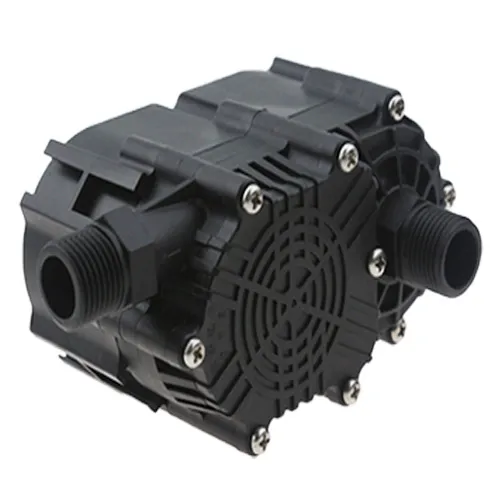
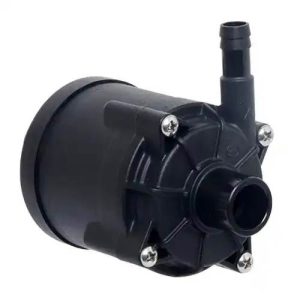
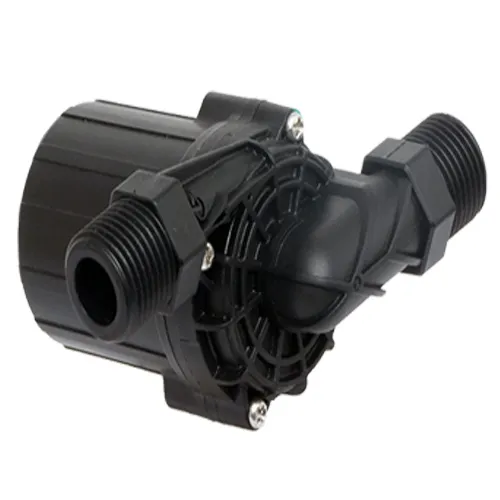
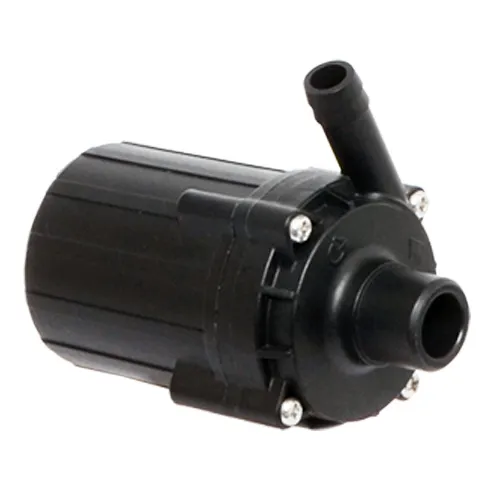
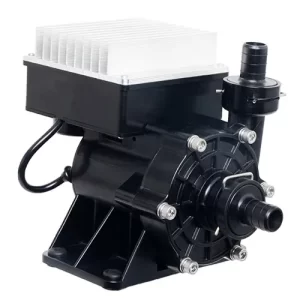
Want to Learn More About BLDC Pressure Pump &High water booster pump?
Introduction
In an era where efficiency, durability, and versatility define industrial and residential fluid handling, the BLDC pressure pump has emerged as a game-changer. By replacing traditional brushed motors with brushless DC (BLDC) technology, these pumps redefine high pressure water transfer, coolant circulation, and pressure boosting across all sectors—from residential home water pressure booster upgrades to industrial thermal management for EV Charger stations and Server Cooling systems. Whether for off-grid 12 volt high pressure water pump setups, agricultural high pressure irrigation pumps, or heavy-duty industrial high pressure water pump applications, BLDC pressure pumps deliver unrivaled performance, energy savings, and longevity.
This page covers every aspect of BLDC pressure pumps, from core design and working principles to choose, use. It also highlights industry-leading VP series models—VP100A, VP60A, VP60F, VP60P, and VP90A—engineered for high pressure centrifugal pump use cases, EV BUS and Truck cooling high pressure coolant pump needs, compact system small high pressure water pump requirements, and more. By the end, you’ll have all the knowledge to choose the right, use the perfect BLDC pressure pump for your unique needs, whether it’s a high pressure low volume pump for precision fluid transfer or a high pressure solar water pump for sustainable agricultural irrigation. For professional technical analysis and selection guidance, refer to our official ultimate guide: Brushless DC Pump (BLDC Pump) Ultimate Guide, and explore the full product range at brushless dc water pump product page.
What Is a BLDC Pressure Pump & Its Key Types?
A BLDC pressure pump is a fluid handling device powered by a brushless DC motor—a permanent magnet motor that eliminates the carbon brushes and commutators of traditional brushed motors. Unlike conventional pressure pumps, BLDC models use electronic commutation to control motor speed and torque, enabling precise pressure and flow regulation for booster, high pressure transfer, and coolant circulation applications.
At its core, this pump generates consistent high pressure for moving liquids (water, coolant, fuel, etc.) across diverse scenarios: from a 12 volt high pressure water pump powering a portable home water pressure booster to an industrial high pressure water pump like the VP100A driving high pressure irrigation pumps or EV Charger thermal management. BLDC pressure pumps are categorized by use case, with all VP series models engineered for specific applications:
- High pressure centrifugal pump: The most common type, using impellers to convert rotational energy to fluid pressure—ideal for Server Cooling, Chiller, and Medical Cooling systems.
- Small high pressure water pump: Compact 12V/24V DC models (VP60A, VP60F, VP60PBLDC pressure pump) for off-grid solar-powered high pressure water pump setups and portable high pressure washer pump use.
- High pressure coolant pump: Specialized designs (VP90A) for circulating coolant in EV BUS, Truck engines, industrial machinery, and laser cutting systems.
- High pressure transfer pump: Versatile models for liquid transfer between tanks, with high pressure low volume pump options for precision applications.
- High pressure submersible pump: IP67/IP68 waterproof-rated VP series pumps for partial or full submersion in sump pumping, irrigation, and marine use.
BLDC pressure pump stand out for delivering consistent high pressure at variable flow rates, making them the top choice for residential home water pressure booster systems (the top solution for low water pressure in homes), high pressure irrigation pumps, and industrial thermal management—all while consuming less energy and lasting far longer than brushed alternatives.
How a BLDC Pressure Pump Works (Step-by-Step)
A BLDC pressure pump operates by combining a brushless DC motor with a hydraulic pump head (centrifugal design for most high pressure applications). Unlike brushed motors that use physical brushes to transfer current to the rotor, BLDC motors use an electronic control unit (ECU) to switch current to stator windings, creating a rotating magnetic field that drives the permanent magnet rotor. This electronic commutation is the foundation of the pump’s efficiency and precision.
A step-by-step breakdown of its operation for booster and high pressure applications:
1. Power Input
The bldc pressure pump receives DC power (12V, 24V, 48V) or AC power (220V for industrial models like VP100A, converted to DC via an internal rectifier). 12 volt high pressure water pump models (VP60A-12110, VP60F-12180, VP60P-12110) draw power from batteries, solar panels (for solar-powered high pressure water pump), or DC power supplies.
2. Electronic Commutation
The ECU detects rotor position via Hall effect sensors (or sensorless algorithms) and switches current to stator windings in a precise sequence. This creates a rotating magnetic field that spins the rotor at the desired speed—no physical contact means no brush wear or sparking.
3. Impeller Rotation
The rotor is directly coupled to the pump’s impeller (closed for VP60A, VP60P, VP90A, VP100A; open for VP60F). High RPM impeller rotation draws liquid into the inlet via centrifugal force.
4. Pressure Generation
Liquid accelerates outward from the impeller’s center to its periphery, gaining kinetic energy. The volute (pump casing) converts this kinetic energy to static pressure, raising liquid pressure to the required level—critical for residential home water pressure booster systems (the top solution for low water pressure in homes), high pressure irrigation pumps, and high pressure coolant pump applications.
5. Flow & Pressure Regulation
BLDC pressure pump feature a PWM speed adjust function, which the ECU uses to modify motor speed. Lower speed reduces flow and pressure; higher speed increases them, enabling precise control for high pressure low volume pump scenarios (e.g., medical cooling) or high flow/high pressure needs (e.g., agricultural irrigation).
6. Output
High pressure liquid exits the outlet to the target system—residential water lines (home water pressure booster), EV Charger cooling loops, irrigation sprinklers (high pressure irrigationpumps), or server rack coolant lines (Server Cooling).
For submersible use, IP67/IP68-rated high pressure submersible pump models operate identically but with sealed electronics to prevent water intrusion, ideal for underwater pumping or wet environments.
Structure of a BLDC Pressure Pump
A BLDC pressure pump’s performance and durability stem from its robust, modular core structure—each component engineered for high pressure, continuous operation. Compact small high pressure water pump models have a streamlined design, while industrial modelsfeature heavy-duty components for extreme conditions. All brushless dc pressure pumps share the same foundational structure, adapted for their specific use cases (high pressure centrifugal pump, high pressure coolant pump, 12 volt high pressure water pump, etc.).
1. Brushless DC Motor (BLDC Motor)
The pump’s heart, available in 12V/24V or 220V. Key sub-components:
- Stator: Stationary coil windings made of high-grade copper (low resistance, high efficiency) that create a rotating magnetic field when energized.
- Rotor: A neodymium iron boron permanent magnet that spins in response to the stator’s magnetic field—no brushes or commutator means zero wear.
- Electronic Control Unit (ECU): The BLDC pressure pump’s “brain,” housing the motor driver, Hall effect sensors, and PWM speed control circuitry. It regulates speed, protects against overvoltage/overcurrent, and enables variable flow/pressure for booster applications.
- Bearing System: High-precision ceramic or stainless steel sealed bearings that support the rotor shaft, delivering a >30,000-hour working life—critical for continuous operation in Server Cooling and EV Charger systems.
2. Hydraulic Pump Head
The hydraulic section that converts motor rotational energy to fluid pressure— bldc pressure pumps such as VP60A VP60P VP90A VP100A are high pressure centrifugal pump designs, the most efficient for high flow/high pressure applications. Key parts:
- Impeller: Rotating component that draws in and accelerates liquid. Closed impellers (Like VOVYO’s VP60A, VP60P, VP90A, VP100Aseries) for high pressure, low cavitation, and clean water/coolant compatibility; open impellers for slightly viscous liquids or high pressure low volume pump scenarios.
- Volute (Casing): Spiral-shaped housing surrounding the impeller, with a gradually increasing cross-sectional area that converts liquid kinetic energy to static pressure—essential for generating high pressure for residential home water pressure booster systems (the top solution for low water pressure in homes) and high pressure irrigation pumps.
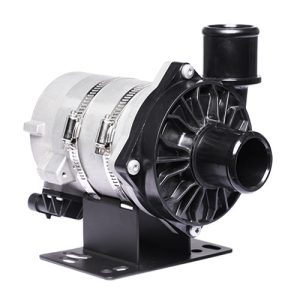
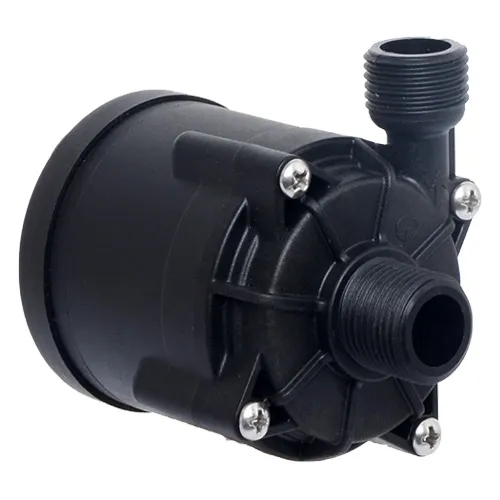
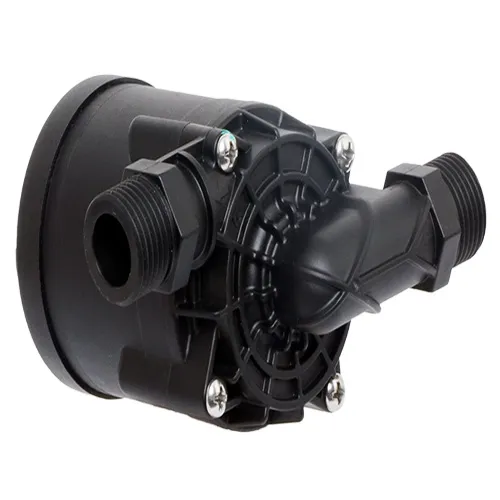
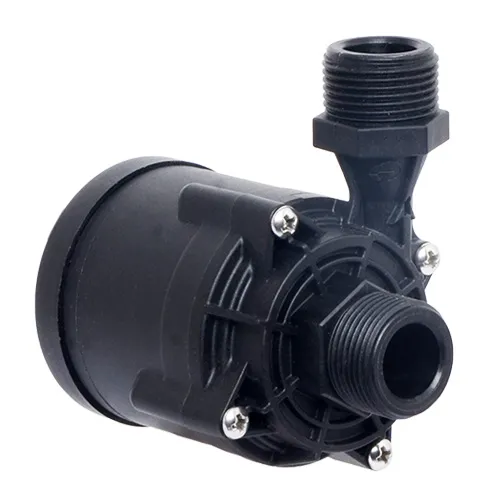
- Inlet & Outlet Ports: Engineered for optimal flow and pressure retention, with sizes varying by model: 20mm inlet/10mm outlet (VP60A), 1/4” thread (VP60F), 1/2” thread (VP60P), 20mm inlet/outlet (VP100Abldc pressure pump), 38mm inlet/outlet (VP90A) for high flow industrial high pressure water pump use.
3. Housing & Sealing System
Critical for durability, waterproofing, and noise reduction—especially for bldc high pressure submersible pump and outdoor use (solar-powered high pressure water pump, high pressure irrigation pumps):
- Outer Casing: Die-cast aluminum or engineering plastic (ABS/PA66) for corrosion resistance and heat dissipation; industrial models (Such as VP100A, VP90A) use heavy-duty aluminum for extreme temperatures (-40°C to 125°C for VP90A).
- Sealing Gaskets & O-Rings: High-temperature, oil-resistant silicone or EPDM seals that prevent liquid leakage and dust intrusion.
- Waterproof Rating: IP67 (Such as VP100A, VP90Abldc pressure pump) for temporary submersion (up to 1m) and IP68 (such as VP60A, VP60F, VP60P) for permanent submersion—perfect for high pressure submersible pump applications in wells, tanks, or wet industrial environments.
4. Power Connection & Mounting Hardware
- Power Terminals: Quick-connect terminals for DC models (12V/24V) for battery/solar panel integration (solar-powered high pressure water pump); standard AC plug or hardwired connections for AC models (such as VP100A) for industrial use.
- Mounting Brackets: Pre-drilled holes for surface mounting (wall, floor, equipment) on all models—critical for residential home water pressure booster system installation (the top solution for low water pressure in homes) or mounting on EV BUS/Truck chassis for thermal management.
Advantages of a BLDC Pressure Pump
BLDC pressure pumps have revolutionized fluid handling by solving the biggest pain points of traditional brushed pressure pumps: low efficiency, short lifespan, high noise, and limited control. For every application—12 volt high pressure water pump for off-grid use, home water pressure booster for residences, high pressure irrigation pumps for agriculture, industrial high pressure water pump for manufacturing, or high pressure coolant pump for EV/Server cooling—BLDC technology delivers unbeatable advantages, with real-world examples from the VP series:
1. Exceptional Energy Efficiency
BLDC motors eliminate brush friction and commutator losses, achieving 85–95% efficiency—compared to 50–70% for brushed motors. This translates to massive energy savings for continuous-operation systems like Server Cooling, Chiller, and high pressure irrigation pumps. The 12 volt high pressure water pump VP60A-12110 consumes just 41W while delivering 11M max head (ideal for solar-powered high pressure water pump setups with limited solar energy), and the industrial bldc pressure pump VP100A (220V) uses PWM speed control to adjust power consumption (374W/550W) based on pressure needs, cutting energy costs for EV Charger stations and agricultural irrigation by up to 40%.
2. Ultra-Long Working Life
Without carbon brushes or commutators to wear out, BLDC pressure pumps have a >30,000-hour working life—10–20x longer than brushed pumps. This is transformative for critical systems where downtime is costly: like VP60F (a high pressure low volume pump) operates 24/7 in MRI and laser surgery equipment with years of maintenance-free use; the VP90A (high pressure coolant pump) withstands extreme temperatures (-40°C to 125°C) and vibration for the entire lifespan of EV BUS/Truck cooling systems; a 12V/24V BLDC pump (VP60A/VP60P) for residential home water pressure booster systems (the top solution for low water pressure in homes) runs non-stop for over 3 years without replacement.
3. Precise Speed & Pressure Control
Brushless dc pressure water pump feature PWM speed adjust function, enabling infinite variable speed control from 0 to 100% of maximum RPM. This allows precise flow and pressure regulation, making bldc pressure pumps perfect for high pressure low volume pump applications (Medical Cooling, precision fluid transfer), residential home water pressure booster systems (the top solution for low water pressure in homes) with automatic speed adjustment to maintain 2–4 bar constant pressure, and EV Charger Cooling (speed modulation to match charger heat output for efficient cooling).
4. Low Noise Operation
Brushless operation eliminates mechanical brush commutation noise, and the centrifugal pump head is engineered for smooth fluid flow—resulting in ultra-quiet performance (such as : ≤40dB for VP60A/VP60P, ≤50dB for VP100A, ≤60dB for VP90A) at 1m distance. This is critical for residential home water pressure booster systems (the top solution for low water pressure in homes) with indoor/garage installation, Server Cooling and Chiller systems (strict data center noise regulations), and Medical Cooling equipment (patient comfort).
5. High Durability & Environmental Resistance
Brushless dc pressure pumps are built for harsh environments, with wide temperature ranges (Suh as -30°C to 70°C for VP100A, -25°C to 100°C for VP60A/VP60F/VP60P, -40°C to 125°C for VP90A) for outdoor solar-powered high pressure water pump and high pressure irrigation pumps in extreme climates; IP67/IP68 waterproofing for high pressure submersible pump use; and corrosion-resistant die-cast aluminum housing and stainless steel impeller shafts for compatibility with water, coolant, and fuel (such as VP90A bldc pressure pump).
6. Versatility Across Applications
BLDC pressure pumps are the most versatile fluid handling solution on the market, with VP series models tailored to every use case:
- 12 volt high pressure water pump (Like VP60A-12110, VP60F-12180, VP60P-12110): Off-grid solar-powered high pressure water pump, portable high pressure washer pump, RV/boat water systems.
- Home water pressure booster: Compact 24V models (Like VP60A-24200, VP60P-24200) with easy installation and quiet operation—ideal for residential home water pressure booster systems (the top solution for low water pressure in homes).
- High pressure irrigation pumps: Like Industrial VP100A BLDC pressure pump(48M max head, 6000L/H max flow) for large agricultural fields/commercial landscaping.
- Industrial high pressure water pump:Like VP100A and VP90A for manufacturing, construction, water treatment.
- High pressure coolant pump: Like VP90A for EV BUS, Truck engines, industrial machinery, EV Charger cooling.
- Server Cooling & Chiller: Like VP60F (high pressure low volume pump) and VP90A for precision coolant circulation.
- Medical Cooling: Like VP60P VP90Afor MRI, CT scan, laser surgery equipment.
- High pressure washer pump: Portable 12 volt high pressure water pump VP60A-12110 (11M max head, IP68 waterproofing).
7. Low Maintenance
With no brushes to replace, no commutator to clean, and sealed bearings, BLDC pressure pumps require virtually no maintenance—only occasional inlet filter cleaning (to prevent clogging) and seal inspection. This reduces maintenance costs and downtime for both residential and industrial users.
How to Choose the Right BLDC Pressure Pump
Selecting the right BLDC pressure pump is critical for optimal performance, energy efficiency, and longevity—whether for a 12 volt high pressure water pump (solar-powered high pressure water pump), home water pressure booster, high pressure irrigation pumps, or high pressure coolant pump (EV BUS/Truck thermal management). The key is to match the pump’s specifications to your flow rate, pressure (head) requirements, power supply, fluid type, and environmental conditions. Below is a step-by-step guide, with VP series BLDC pressure pump recommendations for common use cases.
Step 1: Define Your Flow Rate & Pressure (Head) Requirements
Flow rate (L/H/L/Min) is the liquid volume moved per unit time; max head (meters, M) is the maximum pressure generated (1M head ≈ 0.1 bar). These are the most critical parameters:
- Calculate flow rate: 10–20 L/Min for small residential home water pressure booster systems (the top solution for low water pressure in homes); 6000 L/H for large high pressure irrigation pumps; equipment-specified rates for Server Cooling/EV Charger systems.
- Calculate max head: Vertical distance to the highest fixture + 5–10M pressure loss (home water pressure booster); vertical distance + atomization pressure (20–48M for high pressure irrigation pumps); cooling loop pressure requirements (24–25M for VP90A high pressure coolant pump).
VP Series Recommendations:
- Low flow (1200–1560 L/H) / Low-Medium head (11–32M): VP60A, VP60F, VP60P BLDC pressure pumps (small high pressure water pump, 12 volt high pressure water pump) for residential home water pressure booster systems (the top solution for low water pressure in homes), solar-powered high pressure water pump, Medical Cooling.
- High flow (6000–6600 L/H) / Medium-High head (24–48M): VP90A (25M), VP100A (38M/48M) (industrial high pressure water pump) for high pressure irrigation pumps, EV Charger cooling, Chiller systems.
Step 2: Select the Right Power Supply
BLDC pressure pumps are available in DC (12V, 24V, 48V) and AC/DC (220V) models—your power supply depends on off-grid/grid-tied and portable/fixed use:
- 12V DC: Off-grid/portable/battery-powered applications (Such as 12 volt high pressure water pump models: VP60A-12110, VP60F-12180, VP60P-12110) for solar-powered high pressure water pump, portable high pressure washer pump, RV/boat systems.
- 24V DC: Most versatile DC voltage—ideal for residential home water pressure booster systems (the top solution for low water pressure in homes) (Such as VP60A-24200, VP60P-24200), EV BUS/Truck thermal management (Like VP90A), and small industrial systems (Server Cooling, Medical Cooling). Lower current draw than 12V reduces wire size and energy loss.
- 220V AC/DC: Grid-tied industrial applications (Like VP100A) for high pressure irrigation pumps, large EV Charger stations, manufacturing plants—also supports 24V/48V DC for hybrid power systems.
Step 3: Consider the Fluid Type & Temperature
Ensure the BLDC pressure pump is compatible with your liquid and operating temperature to avoid damage:
- Clean water: All brushless pressure pumps —ideal for residential home water pressure booster systems (the top solution for low water pressure in homes), high pressure irrigation pumps, solar-powered high pressure water pump.
- Coolant (antifreeze, glycol): Such as VP60A, VP60F, VP60P (pure water/coolant); VP90A (water/coolant/fuel)—the top high pressure coolant pump for EV BUS/Truck, Server Cooling, industrial machinery.
- Fuel: VP90A—for marine/automotive fuel transfer.
Temperature Range Check:
- -40°C to 125°C: VP90A (extreme cold/heat for EV BUS/Truck, outdoor industrial use).
- -25°C to 100°C: VP60A, VP60F, VP60P (solar-powered high pressure water pump, Medical Cooling).
- -30°C to 70°C: VP100A (high pressure irrigation pumps, EV Charger cooling).
Step 4: Evaluate Environmental Conditions
The operating environment dictates waterproof rating, housing material, and mounting:
- Indoor use (home, data center, medical facility): IP67/IP68 models (all VP seriesBLDC pressure pump) with low noise (≤40dB for VP60A/VP60P) for residential home water pressure booster systems (the top solution for low water pressure in homes), Server Cooling, Medical Cooling.
- Outdoor use (irrigation, solar water pump): IP67/IP68 models with corrosion-resistant aluminum housing (VP100A, VP90A) for rain, dust, extreme temperatures.
- Submersed use (wells, tanks): IP68 models (VP60A, VP60F, VP60P) for permanent submersion; IP67 models (Like VP100A, VP90A) for temporary submersion (up to 1m).
- Vibration-prone environments (EV BUS, Truck, industrial machinery): Heavy-duty models (Like VP90A, VP100A) with reinforced mounting brackets and sealed bearings.
Step 5: Choose the Right Pump Type for Your Application
Match the BLDC pressure pump design to your specific use case:
- Home water pressure booster: Small high pressure water pump (VP60A-24200, VP60P-24200) – 24V DC, low noise, PWM speed control for constant pressure—ideal for residential home water pressure booster systems (the top solution for low water pressure in homes).
- High pressure irrigation pumps: Industrial high pressure water pump (VP100A) – 48M max head, 6000L/H max flow, 220V AC power.
- High pressure solar water pump: 12 volt high pressure water pump (VP60A-12110, VP60P-12110) – low power consumption (41W), solar panel compatibility for solar-powered high pressure water pump setups.
- EV Charger / Server Cooling / Chiller: High pressure centrifugal pump (VP90A for high flow, VP60F for high pressure low volume pump) – coolant compatibility, wide temperature ranges.
- EV BUS, Truck Thermal Management: High pressure coolant pump (VP90A) – -40°C to 125°C range, fuel/coolant compatibility, vibration resistance.
- Medical Cooling: High pressure low volume pump (VP60F) – precise speed control, low noise.
- High pressure washer pump: Portable 12 volt high pressure water pump (VP60A-12110BLDC pressure pump) – 11M max head, IP68 waterproofing.
Step 6: Check Additional Features
Look for features that boost performance and ease of use:
- PWM speed control (all VP series) – critical for residential home water pressure booster systems (the top solution for low water pressure in homes) and EV Charger cooling.
- Overvoltage/overcurrent protection (all VP series) – prevents pump damage from power surges.
- Easy mounting (all VP series) – pre-drilled brackets for quick installation.
- OEM/ODM services (all VP series BLDC pressure pump) – custom flow/pressure, power supply, and mounting for industrial/automotive applications.
How to Use a BLDC Pressure Pump?
BLDC pressure pumps are intuitive to use, thanks to PWM speed control, automatic protection features, and low maintenance design. Whether for a 12 volt high pressure water pump (solar-powered high pressure water pump), home water pressure booster, high pressure irrigation pumps, or high pressure coolant pump (EV BUS/Truck thermal management), following basic guidelines ensures optimal performance, energy efficiency, and longevity. Below is a universal usage guide, with specific tips for common applications.
Basic Operation Guidelines
- Never Run Dry: BLDC pressure pumpsare not self-priming—dry running overheats the impeller, damages seals/bearings, and voids the warranty. Ensure the pump/plumbing are filled with liquid (no air bubbles) before use, especially for solar-powered high pressure water pump and residential home water pressure booster systems.
- Optimize PWM Speed Control: Use the minimum speed required for your pressure/flow needs—full-speed operation wastes energy and increases wear. Residential home water pressure booster systems: 2–4 bar constant pressure; high pressure irrigation pumps: adjust for sprinkler count; EV Charger Cooling: match charger heat output.
- Monitor Pressure & Flow Regularly: A sudden pressure drop indicates a clogged inlet filter, plumbing leak, or impeller damage; low flow indicates restricted pipes/valves or a dirty filter—critical for solar-powered high pressure water pump setups with well/tank water.
- Do Not Exceed Max Head/Flow: Restricting the outlet to increase pressure beyond max head causes overpressure (damages casing/seals/ECU)—use a pressure relief valve set to the pump’s max head.
- Power Off for Maintenance: Disconnect the power supply before cleaning the filter, inspecting the BLDC pressure pump, or making plumbing/electrical changes (prevent electric shock/pump damage).
Specific Usage Tips for Common Applications
1. Home Water Pressure Booster
- Set a 2–4 bar constant pressure via PWM control—the BLDC pressure pump auto-adjusts speed as fixtures are used (no manual on/off), ideal for residential home water pressure booster systems (the top solution for low water pressure in homes).
- Optional Pressure Tank: Install a 2–5 gallon outlet pressure tank to store pressurized water, reduce on/off cycles, and save energy.
- Shut Off When Away: Turn off the power supply for extended absences (prevent unnecessary operation/leaks).
2. 12 Volt High Pressure Water Pump / Solar-Powered High Pressure Water Pump
- Match solar panel output to BLDC pressure pump power (e.g., 100W panel for 41W 12V pump); use a solar charge controller (regulate voltage, prevent battery overcharging) for solar-powered high pressure water pump setups.
- Add a 12V deep-cycle battery backup for operation during low sunlight (cloudy days/night)—ensures continuous irrigation/home water supply for solar-powered high pressure water pump systems.
- Clean the inlet filter every 1–2 weeks (more often for dirty water) to prevent clogging (well/tank water has debris—common in solar-powered high pressure water pump applications).
3. High Pressure Irrigation Pumps
- Run the BLDC pressure pump early morning/late evening (low temperatures) to reduce water evaporation—maximize irrigation efficiency for large agricultural fields.
- Adjust PWM speed for different irrigation zones (lower speed for drip irrigation, higher for sprinklers).
- Inspect/clean sprinklers/drippers weekly—clogs cause pressure buildup (pump over-pressure risk).
4. High Pressure Coolant Pump (EV BUS, Truck, Server Cooling, Medical Cooling)
- Monitor coolant level/temperature regularly—low coolant causes dry running; overheating reduces cooling efficiency (add manufacturer-specified coolant as needed).
- VP90A (EV BUS/Truck): Use 50/50 ethylene glycol-water coolant (extreme temperature protection)—never pure water (freezes/boils).
- Pre-Heat/Post-Cool: Run the BLDC pressure pump at low speed for 5–10 minutes before/after main system operation (prevents thermal shock to components—critical for Server Cooling and EV Charger systems).
5. High Pressure Washer Pump (Portable—VP60A-12110)
- Use only clean water (install a fine-mesh inlet filter for tank/well water) to prevent impeller clogging—key for portable 12 volt high pressure water pump use.
- Do not run the BLDC pressure pump for more than 30 seconds with the washer gun closed (causes pressure buildup)—use a pressure relief valve for excess pressure.
- Storage: Drain all water (prevent freezing) and store in a dry, cool place; disconnect the battery (12V models) to prevent discharge.
Emergency Shutdown
Immediately turn off the power supply of the bldc pressure pump and address the issue if you notice: loud grinding/rattling noise (damaged impeller/bearing/debris); overheating (hot motor housing); water/coolant leakage; no pressure/flow; or electrical sparks/smoke (do not restart—contact a professional).
FAQ About BLDC Pressure Pump
1. What are the key advantages of a BLDC pressure pump over a traditional brushed pressure pump?
BLDC pumps have a 10–20x longer service life and 20–50% higher efficiency, with lower noise, stable speed regulation, no spark risk, and almost no maintenance—making them ideal for long-term continuous operation in applications like residential home water pressure booster systems and high pressure irrigation pumps.
Why is my BLDC pressure pump not producing enough pressure or flow?
Common causes include a clogged inlet filter, air in the pump, jammed impeller, reversed inlet/outlet, plumbing restrictions, or low PWM speed. Cleaning the filter, removing air, and checking installation direction solve most issues—especially for solar-powered high pressure water pump setups.
3. Can a BLDC pressure pump run dry without damage?
No. BLDC pressure pumps are not self-priming—dry running overheats the impeller and shaft seal, causing permanent damage and voiding the warranty. This is a critical rule for all applications, including residential home water pressure booster systems and high pressure coolant pump use.
4. Can a BLDC pressure pump run 24/7 continuously?
Yes. High-quality models like the VP series bldc booster pump are engineered for 24/7 operation, as long as the liquid, temperature, and voltage are within rated ranges and regular maintenance is performed—perfect for critical systems like Server Cooling, Medical Cooling, and EV Charger cooling.
5. Can BLDC pressure pumps handle corrosive liquids?
Standard models work for clean water and common coolant. For strong corrosive media, choose customized versions with corrosion-resistant materials (PTFE, stainless steel, engineering plastics) for industrial high pressure water pump applications.
6. What is PWM speed control on a BLDC pressure pump used for?
PWM enables stepless motor speed adjustment, controlling flow and pressure for constant pressure water supply, energy-saving operation, and precise matching to cooling/transfer system demands—essential for residential home water pressure booster systems and high pressure low volume pump use in Medical Cooling.
7. What is the average service life of a BLDC pressure pump?
Under normal operation and maintenance, the service life exceeds 30,000 hours (3+ years of continuous use) and can reach 8–10 years with proper use. VP series models are designed for this long lifespan, even in harsh environments like solar-powered high pressure water pump and high pressure irrigation pump applications.
8. Can BLDC pressure pumps be used submerged in water (IP67/IP68)?
Yes. IP68 bldc pressure pumps (Like VP60A, VP60F, VP60P) support permanent full submersion for high pressure submersible pump use; IP67 models (Like VP90A, VP100A BLDC pressure pump) allow temporary submersion (up to 1m) only, making them suitable for shallow well irrigation or industrial wet environments.
Conclusion
BLDC pressure pumps—with their high efficiency, energy savings, long service life, and intelligent control—have become core components of modern fluid transmission systems, gradually replacing traditional brushed pumps in residential, agricultural, industrial, medical, and new energy fields. From residential home water pressure booster systems (the top solution for low water pressure in homes) to high pressure irrigation pumps, from Server Cooling to EV BUS/Truck thermal management, BLDC pressure pumps deliver stable, reliable, and economical fluid handling solutions.
Scientific selection, correct daily use are the keys to maximizing a brushless dc pressure pump’s performance and lifespan. As technology advances, these pumps will become more intelligent, efficient, integrated, and customized, better adapting to global energy conservation, digitalization, and low-carbon transformation trends.
For manufacturers, system integrators, and end users, choosing professional BLDC pressure pumps means lower operating costs, higher system stability, and longer equipment life. As the new energy, agricultural, and industrial sectors continue to grow, BLDC brushless pressure pumps will remain the top choice for high-performance fluid handling, and play an increasingly vital role in the global upgrade of professional fluid transfer and pressure boosting equipment.