
BLDC Submersible Pump
Home > BLDC Submersible Pump
Showing all 12 results
-

VP100A
Rated 0 out of 5Check Details -
VP30
Rated 0 out of 5Check Details -
VP30A
Rated 0 out of 5Check Details -
VP35C
Rated 0 out of 5Check Details -
VP40H
Rated 0 out of 5Check Details -
VP50A
Rated 0 out of 5Check Details -
VP50C
Rated 0 out of 5Check Details -
VP50E
Rated 0 out of 5Check Details -
VP60A
Rated 0 out of 5Check Details -
VP60H
Rated 0 out of 5Check Details -
VP60P
Rated 0 out of 5Check Details -
VP90A
Rated 0 out of 5Check Details
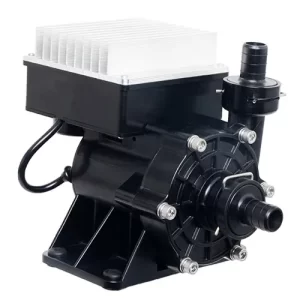
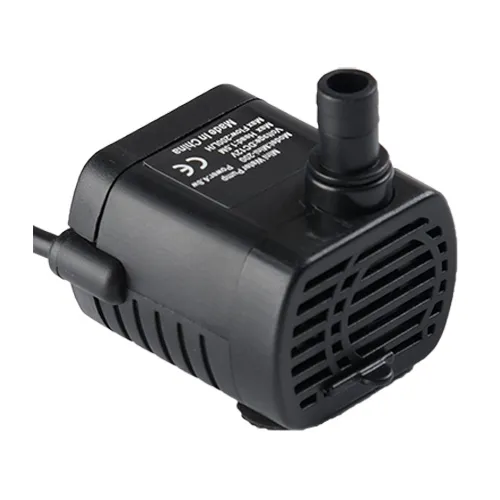
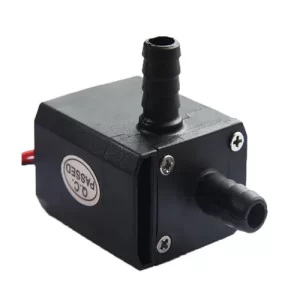
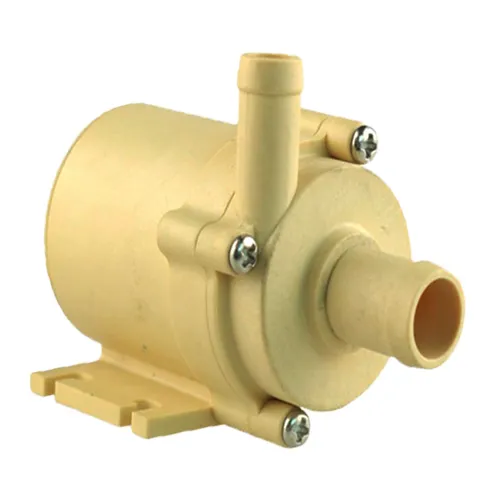
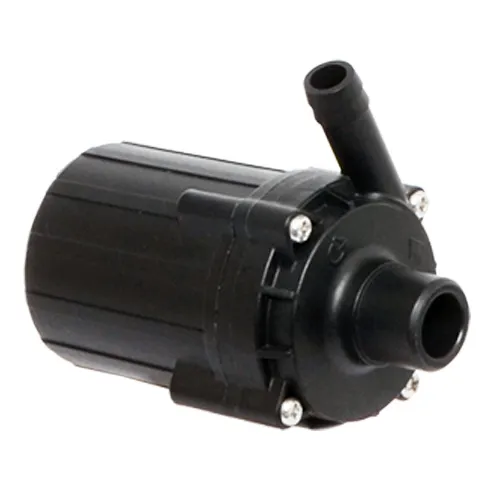
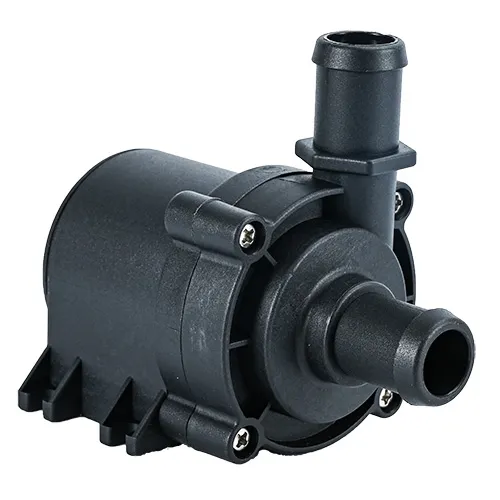
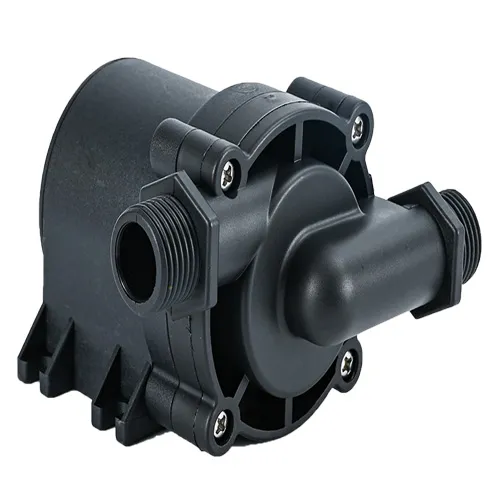
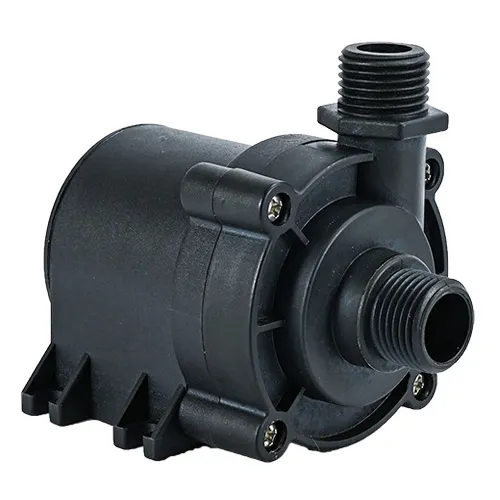
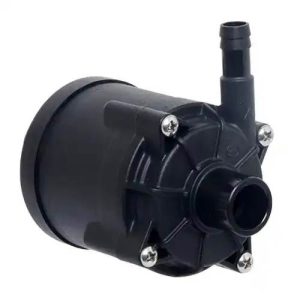
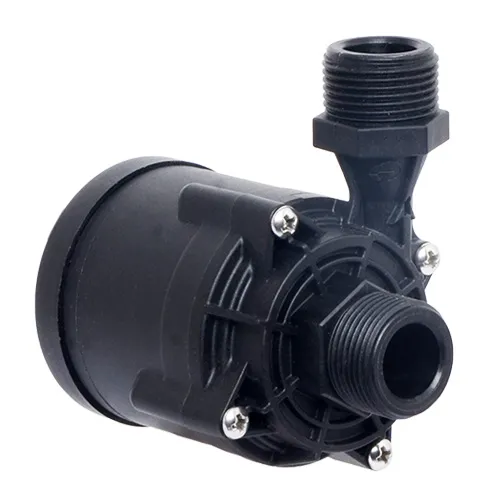
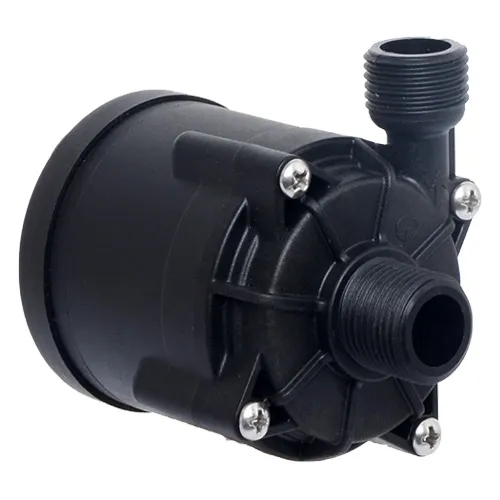
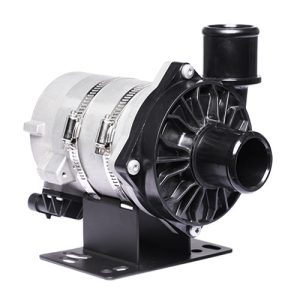
Want to Learn More About BLDC Submersible Pump used for Home, Fountain, Irrigation & Solar Use?
Introduction
A BLDC submersible pump is a waterproof, brushless DC motor-driven pump designed for fully submerged operation.
When you need a high-performance submersible water pump for home, fountain, irrigation or solar use, the BLDC submersible pump stands out as the optimal choice. In the fluid handling industry, energy efficiency, durability and stable operation have always been core pursuits of users. Among numerous submersible pump products, BLDC submersible pump stands out with its unique technical advantages, gradually replacing traditional brushed submersible pumps and AC submersible pumps in residential, commercial, agricultural and industrial scenarios. Whether it’s daily home water supply, fountain landscaping, farmland irrigation, aquarium circulation, food processing liquid transfer, or industrial cooling, a high-quality brushless DC submersible pump can meet diverse needs with low energy consumption and long service life. As one of the most versatile submersible water pump models on the market, it has become the first choice for families, gardeners, farmers and industrial manufacturers alike, thanks to its reliable performance and wide adaptability, and the emerging BLDC solar submersible pump further expands its application scope to off-grid areas.
For users who are unfamiliar with BLDC submersible pump products, how to choose the best BLDC submersible pump for home, fountain or irrigation use, pick a suitable BLDC solar submersible pump for off-grid scenarios, complete correct installation and daily maintenance, and deal with common faults easily are all practical issues that need to be solved urgently. This page combines the actual application experience of VOVYO‘s full range of brushless DC submersible pump models, comprehensively explains all aspects of this product, and integrates practical cases and operational details to help you maximize the performance of your submersible water pump and reduce daily use and maintenance costs. Whether you need a compact brushless DC submersible pump for home, a quiet submersible water pump for fountain, a high-flow submersible water pump for irrigation or an eco-friendly BLDC solar submersible pump, this guide covers all the professional knowledge you need to make an informed decision.
In this page, BLDC submersible pump,submersible water pump and brushless DC submersible pump all refer to the same high-efficiency waterproof pump product.
What is a BLDC Submersible Pump?
A BLDC submersible pump, full name Brushless Direct Current Submersible Pump, is a waterproof fluid delivery device that can be completely immersed in water or other liquids to work, driven by a brushless DC motor. Different from traditional brushed submersible pumps that rely on carbon brushes for mechanical commutation, brushless DC submersible pump adopts electronic commutation technology, which cancels the wearing carbon brush parts, and realizes the operation of the motor through the electronic control system to adjust the current direction of the stator winding. This innovative design makes it far superior to ordinary submersible water pump models in terms of performance and service life, making it ideal for long-term use in home, fountain and irrigation settings, while the BLDC solar submersible pump variant adds renewable energy compatibility to its list of advantages.
This structural design makes BLDC submersible pump have obvious advantages: first, the energy efficiency is greatly improved, the operating efficiency can reach 80%-95%, far exceeding the 50%-70% of traditional pumps; second, the service life is significantly prolonged, the continuous working time can exceed 20,000 hours, and there is no need to replace carbon brushes frequently; third, the operation is quieter, the noise is controlled below 35dB, which is especially suitable for indoor home use and outdoor fountain landscaping where noise reduction is key; fourth, the speed regulation is more flexible, and the flow and pressure can be adjusted steplessly through PWM technology to adapt to different working conditions, whether it’s low-flow water circulation for a fountain or high-flow water delivery for farm irrigation; fifth, the BLDC solar submersible pump can operate independently of the grid, utilizing solar energy to achieve zero-cost power supply in remote areas.
The BLDC submersible pump on brushlessdcpump.com covers multiple series to meet the needs of subdivided scenarios: the food grade BLDC submersible pump represented by VP35C is made of 316 stainless steel and FDA-compliant sealing materials, suitable for beverage, dairy, edible oil and other food hygiene scenarios; the circulation BLDC submersible pump of VP30 VP30A VP40 series is compact in structure and low in noise, specially designed for hydronic heating, aquarium water circulation, fountain water circulation and industrial cooling circulation systems, making it a top pick as a submersible water pump for fountain and home circulation use; the high-pressure BLDC submersible pump such as VP50E VP60A and VP100A has a multi-stage impeller design, with a head of up to 100 meters, which is widely used in agricultural irrigation, deep well water intake and industrial high-pressure water supply, serving as a powerful submersible water pump for irrigation and large-scale home water lifting; in addition, there are 12V/24V small BLDC submersible pump and dedicated BLDC solar submersible pump suitable for solar off-grid systems, which solves the water demand in remote areas without power grid coverage and is perfect for portable home and small irrigation use.
All BLDC submersible pump products adopt IP68 waterproof grade design, with reliable sealing performance, and can operate stably in liquid environments of different depths without worrying about water ingress and short circuit. All performance data complies with CE, FCC and RoHS international certifications, ensuring safe and stable operation worldwide. Whether it is clean water for home use, circulating water for a fountain, irrigation water for farmland, mild corrosive liquid or food-grade liquid, there is a corresponding brushless DC submersible pump model to match, and the BLDC solar submersible pump maintains this same waterproof reliability for outdoor off-grid use, truly realizing the versatility and professionalism of the product. It is also known as a low noise submersible pump, high head submersible water pump, and corrosion resistant submersible pump. No matter what your specific needs are for a submersible water pump, this range of BLDC models has you covered with tailored solutions. All products are designed and manufactured in line with international safety standards for water pumps and electrical equipment.
For more technical fundamentals, you can also refer to our complete brushless DC pump ultimate guide.
How Does a BLDC Submersible Pump Work?
The core operating principle of BLDC submersible pump is based on the combination of brushless DC motor drive and centrifugal fluid delivery, and each link is precisely coordinated to ensure efficient and stable operation. Unlike AC submersible pumps that rely on alternating magnetic fields and have slip loss, brushless DC submersible pump realizes synchronous rotation of the rotor and magnetic field through electronic commutation, with almost no energy loss, which is also the fundamental reason for its high efficiency and why it outperforms standard submersible water pump options for home, fountain and irrigation applications, while the BLDC solar submersible pump adds a solar charging and conversion module to this core principle, converting solar energy into DC power to drive the motor.
When the BLDC submersible pump is connected to the power supply – whether it’s a standard DC power supply, household AC adapter or solar panel system for the BLDC solar submersible pump – the built-in electronic controller first detects the position of the permanent magnet rotor through Hall effect sensors, and quickly switches the current direction of the three-phase stator winding according to the rotor position, thereby generating a rotating magnetic field. This rotating magnetic field generates torque on the permanent magnet rotor, driving the rotor to rotate at a synchronous speed, and the impeller connected to the rotor also rotates synchronously. This seamless operation ensures that even a small brushless DC submersible pump for home or a compact BLDC solar submersible pump can deliver consistent water flow, while larger models maintain steady performance for fountain and irrigation tasks.
As the impeller rotates at high speed, a low-pressure area is formed at the water inlet of the BLDC submersible pump, and the liquid is sucked into the pump body from the water inlet under the action of external atmospheric pressure. The impeller blades accelerate the liquid, convert mechanical energy into liquid kinetic energy and pressure energy, and then discharge the liquid from the water outlet to complete the fluid delivery process. For a submersible water pump for fountain, this process creates a steady, gentle flow that enhances the visual appeal of the fountain; for a submersible water pump for irrigation, it generates enough pressure to push water through long pipelines to every corner of the farmland; for a brushless DC submersible pump for home, it ensures stable water pressure for daily cooking, cleaning and bathing; for a BLDC solar submersible pump, this process runs entirely on solar energy, making it the most sustainable choice for off-grid irrigation and remote home water supply. At the same time, the stator and electronic control system of the BLDC submersible pump are sealed in a waterproof cavity, and torque is transmitted through magnetic isolation, which not only ensures the sealing of the motor part, but also avoids the wear of dynamic seals, making the pump more durable for long-term home, fountain, irrigation and off-grid solar use.
In addition, the BLDC submersible pump equipped with PWM speed control function can adjust the motor speed by changing the duty cycle of the power supply, so as to realize the stepless adjustment of flow and head. For example, when the circulation BLDC submersible pump is used in an aquarium or fountain, the speed can be reduced to soften the water flow and avoid disturbing aquatic organisms or splashing water outside the fountain; when used in industrial cooling systems or farm irrigation, the speed can be increased to meet the demand of large-flow circulation; for home use, the speed can be adjusted to match the family’s water consumption, saving energy while meeting daily needs; for the BLDC solar submersible pump, speed adjustment also helps optimize solar energy usage, conserving power during low-sunlight hours. This flexible adjustment method not only improves the applicability of the brushless DC submersible pump, but also further reduces energy consumption and avoids unnecessary waste, making it a cost-effective and energy-saving water pump choice for all submersible water pump applications, especially the eco-friendly BLDC solar submersible pump.
It is worth mentioning that the BLDC submersible pump relies on the surrounding liquid for heat dissipation during operation, which is more efficient than air-cooled motors. Even if it works continuously for a long time, it will not overheat, which ensures the stability of long-term operation and is especially suitable for scenes requiring 24-hour uninterrupted fluid delivery, such as fountain circulation, constant irrigation, home standby water supply and off-grid water delivery via BLDC solar submersible pump. This heat dissipation feature is a key reason why BLDC submersible pump models are more reliable than traditional pumps for continuous home, fountain, irrigation and solar-powered use.
How to Choose the Best BLDC Submersible Pump for Home, Fountain, Irrigation and Solar Use
Choosing the right BLDC submersible pump is the key to ensuring its performance and service life. Many users choose the wrong model due to unclear demand, resulting in problems such as insufficient flow, excessive energy consumption, or frequent failures. Combined with actual application scenarios, especially the common needs for home, fountain, irrigation and off-grid solar use, the selection of brushless DC submersible pump and BLDC solar submersible pump mainly needs to consider the following key factors, with practical cases to help you make accurate choices and pick the perfect submersible water pump for your specific scenario.
Practical Application Case 1: Domestic Water Supply for Australian Family
A family of 4 in Queensland, Australia, was plagued by high electricity bills and frequent failures of the original AC submersible pump for domestic well water intake. After consulting professional technicians, they selected a 24V compact brushless DC submersible pump for home with a flow rate of 50L/min and a head of 32m. The pump was installed in a 6m-deep domestic well, running 3-5 hours per day to meet daily cooking, cleaning and bathing needs. After 18 months of continuous use, the pump runs quietly with zero failures, and the monthly electricity cost for water supply is reduced by 62% compared with the original AC pump, perfectly solving the family’s domestic water pain points.
1. Clarify the Application Scenario and Liquid Properties
The first step in selecting a BLDC submersible pump is to determine the purpose of use and the type of liquid to be delivered, which directly determines the material and model of the pump. If it is used for home daily water supply, you need to select a compact, low-noise brushless DC submersible pump for home with appropriate flow and head, which is easy to install in a small water tank or well and meets the daily water needs of a family; if it is used for outdoor or indoor fountain landscaping, prioritize a quiet, stable-flow submersible water pump for fountain with adjustable speed, which can create a beautiful water effect without excessive noise; if it is used for agricultural irrigation, lawn irrigation or garden irrigation, you must choose a high-flow, high-head submersible water pump for irrigation with strong durability to cope with long-term outdoor operation and large-area water delivery; if you need water supply in remote areas without grid access, the BLDC solar submersible pump is the optimal choice, as it runs entirely on solar power and requires no external power grid; if it is used for food processing, beverage filling and other hygiene scenarios, you must choose a food grade BLDC submersible pump made of 316 stainless steel and food-grade seals to ensure that the liquid is not contaminated and meets food safety standards; if it is used for deep well water lifting, choose a high-pressure BLDC submersible pump with multi-stage impellers.
At the same time, pay attention to the corrosion resistance and particle content of the liquid. For mild corrosive liquids such as pool water, fountain water and industrial coolants, choose a BLDC submersible pump with engineering plastic wetted parts; for irrigation water containing a small amount of fine impurities, select a model with a filter screen at the water inlet to avoid impurities blocking the impeller; for the BLDC solar submersible pump used in outdoor natural water sources, ensure the pump body is resistant to UV rays and sediment wear; do not use ordinary brushless DC submersible pump to transport strong corrosive liquids or liquids with large particles, so as not to damage the pump body and impeller and affect the service life of your home, fountain, irrigation or solar pump.
2. Calculate the Required Flow and Head
Flow and head are the core performance parameters of BLDC submersible pump, and the selected model must meet the actual demand, especially for targeted use as a submersible water pump for home, submersible water pump for fountain, submersible water pump for irrigation or BLDC solar submersible pump. Flow refers to the volume of liquid delivered per unit time, usually in L/min or m³/h; head refers to the vertical height that the pump can lift the liquid, in meters.
When calculating the flow rate, it is determined according to the actual water demand: for example, a family of four needs a domestic water brushless DC submersible pump for home with a flow rate of about 50L/min to ensure sufficient water for cooking, washing and bathing; a small garden fountain needs a submersible water pump for fountain with a flow rate of 15-30L/min to create a soft, elegant water spray; a 10-acre farmland needs an irrigation submersible water pump for irrigation with a flow rate of not less than 200L/min to ensure timely and adequate water supply for crops; a remote off-grid homestead needs a BLDC solar submersible pump with a flow rate matching the daily water consumption, paired with a solar panel array sufficient to power its operation. When calculating the head, it is necessary to consider the actual vertical height plus the pipeline resistance loss (usually 10%-20% of the vertical height). For example, if the vertical lifting height for home water supply is 20 meters and the pipeline resistance is 3 meters, the total head is 23 meters, and a BLDC submersible pump with a rated head of 25-30 meters should be selected to ensure sufficient pressure; for a fountain installed on a 1-meter-high platform, a head of 2-3 meters is enough to achieve the ideal spray effect; for irrigation with a pipeline length of 100 meters, the head needs to be increased by 5-8 meters to overcome pipeline resistance; for a BLDC solar submersible pump used in mountainous irrigation, calculate the full vertical elevation plus pipeline loss to ensure water can reach high-lying farmland.
Many users make the mistake of choosing a pump with too large or too small parameters: too small parameters will lead to insufficient water volume and unable to meet the demand, whether it’s home water use, fountain effect, irrigation coverage or off-grid solar water supply; too large parameters will cause waste of electric energy and increase the cost of use, especially for the BLDC solar submersible pump where oversized models require more expensive solar panels. It is recommended to select the brushless DC submersible pump or BLDC solar submersible pump model with parameters slightly higher than the actual demand according to the calculated value to reserve a certain margin, ensuring your submersible water pump for home, fountain, irrigation or solar use works perfectly under all conditions.
3. Determine the Power Supply Voltage
The BLDC submersible pump is mainly powered by DC, and the common voltages are 12V, 24V, 48V, etc. The selection of voltage depends on the on-site power supply conditions and the application scenario of your submersible water pump. For small-scale scenarios such as home use, small fountains and mobile water supply, 12V/24V low-voltage brushless DC submersible pump for home or fountain is safer and can be powered by batteries or ordinary power adapters, making it easy to install and use without complex wiring; for large-scale scenarios such as agricultural irrigation, large fountains and industrial water supply, 48V high-power submersible water pump for irrigation is required, which can be connected to AC power supply through an AC-DC converter to ensure sufficient power output and stable operation; for off-grid solar applications, the BLDC solar submersible pump is typically designed with 12V/24V/48V DC voltage, perfectly matching standard solar panel and battery pack voltages for plug-and-play use.
For solar-powered scenarios, which are very popular for home backup, remote irrigation and outdoor fountains, it is necessary to match the voltage of the BLDC solar submersible pump with the solar panel and battery pack. For example, a 24V BLDC solar submersible pump is matched with a 24V solar panel and a 24V battery to ensure the stability of power supply and avoid equipment damage caused by voltage mismatch. This solar-powered option is a great eco-friendly choice for your submersible water pump for home, fountain and irrigation needs, especially in areas with abundant sunlight and no grid access.
Practical Application Case 2: Solar-Powered Farm Irrigation in Kenya
A 15-acre vegetable farm in Nakuru, Kenya, is located in a remote area without grid coverage, and traditional diesel irrigation pumps not only have high fuel costs but also frequent breakdowns. The farm introduced a 48V BLDC solar submersible pump with a flow rate of 250L/min and a head of 45m, equipped with 3 pieces of 350W solar panels and a 200Ah battery pack. The system runs 6 hours per day during daylight hours, which can fully irrigate the entire vegetable farm, realizing zero electricity cost for irrigation. After using this pump, the farm’s crop yield increased by 35% compared with the previous diesel pump irrigation period, and the annual operating cost was reduced by nearly 80%, which was highly recognized by local farmers.
4. Check the Sealing Grade and Material Durability
The sealing grade directly affects the waterproof performance of the BLDC submersible pump, which is crucial for long-term immersion in home water tanks, fountain basins, irrigation wells and outdoor solar water sources. It is recommended to select a model with IP68 waterproof grade, which can be completely immersed in water for a long time without water ingress, ensuring the safety and stability of your brushless DC submersible pump for home, fountain, irrigation or BLDC solar submersible pump use. In terms of materials, the pump body made of 316 stainless steel has strong corrosion resistance and long service life, suitable for food-grade, fountain and irrigation scenarios with slightly corrosive water quality; engineering plastic pump body is light in weight and low in cost, suitable for clean home water delivery and portable BLDC solar submersible pump models; cast iron pump body has high strength and is suitable for heavy-duty irrigation and industrial scenarios.
In addition, the sealing material of the BLDC submersible pump is also very important. Food-grade silicone seals are required for food-grade scenarios, and fluororubber seals with better corrosion resistance are required for irrigation water with impurities or fountain water with disinfectants to ensure long-term sealing effect and avoid liquid leakage. For the BLDC solar submersible pump, additional UV-resistant materials are used for external components to prevent sun damage in long-term outdoor use. A reliable seal and durable materials are the foundation of a long-lasting submersible water pump, so never compromise on this aspect when choosing a pump for home, fountain, irrigation or solar off-grid use.
5. Consider Installation Space and Size
Before purchasing a BLDC submersible pump or BLDC solar submersible pump, measure the installation space in advance to ensure that the pump size matches the installation environment, which is especially important for compact home water tanks, small fountain basins, narrow irrigation wells and remote solar water stations. For small home water tanks, indoor fountains and narrow spaces, choose a compact small brushless DC submersible pump for home or fountain, which can be easily installed without taking up too much space; for deep wells, large fountain pools, farm irrigation reservoirs and industrial pools, choose a large-size high-power submersible water pump for irrigation to meet the demand of large-flow water delivery; for BLDC solar submersible pump installation, ensure there is enough space for the pump in the water source and unobstructed space for the solar panels to capture maximum sunlight. At the same time, pay attention to the connection size of the water inlet and outlet to ensure that it can be matched with the on-site pipeline, avoiding the trouble of subsequent modification and ensuring the smooth installation of your submersible water pump.
How to Install a BLDC Submersible Pump?
Correct installation is the premise of ensuring the stable operation of BLDC submersible pump, whether it is a brushless DC submersible pump for home, a submersible water pump for fountain, a submersible water pump for irrigation or a BLDC solar submersible pump. Improper installation will not only affect the flow and head, but also cause faults such as water ingress and motor burnout. The following is a detailed step-by-step installation guide for BLDC submersible pump and BLDC solar submersible pump, which is applicable to all mainstream models and ensures your pump operates at its best for home, fountain, irrigation and solar off-grid use.
Pre-Installation Preparation
Before installation, first check whether the BLDC submersible pump or BLDC solar submersible pump is intact, whether the cable is damaged, whether the impeller rotates flexibly, and eliminate product quality problems. Prepare necessary tools and accessories, including wrenches, cable ties, waterproof tape, lifting ropes, flexible pipe joints, check valves, gate valves, etc. For the installation of food grade BLDC submersible pump, it is necessary to prepare food-grade disinfectant to clean the pump body and pipeline to ensure hygiene; for submersible water pump for fountain installation, prepare fountain-specific pipe fittings to match the fountain’s water circulation design; for submersible water pump for irrigation installation, prepare durable irrigation pipes and connectors that can withstand outdoor exposure; for BLDC solar submersible pump installation, additionally prepare solar panel brackets, MPPT controllers and battery connection cables to complete the solar power system setup.
Clean the installation site, remove debris, stones and other impurities in the home water tank, fountain basin or irrigation well to prevent clogging the pump inlet and affecting the water flow. For well installation (common for home, irrigation and BLDC solar submersible pump use), check whether the well wall is intact and whether the well diameter matches the pump size to avoid jamming during installation; for fountain installation, clean the sediment and algae in the fountain basin to ensure the water quality is clean and protect the pump’s impeller; for BLDC solar submersible pump solar panel installation, clear the area of shade-causing obstacles and level the ground to ensure maximum sunlight absorption.
Step 1: Assemble the Pump Accessories
Most BLDC submersible pump and BLDC solar submersible pump models are pre-assembled, and only need to install the inlet filter and lifting rope. Install the matching filter at the water inlet of the pump, twist it clockwise to fix it, which can effectively block impurities and prevent the impeller from being stuck – this is especially important for irrigation pumps, fountain pumps and BLDC solar submersible pump that handle outdoor water with sediment. Tie the lifting rope firmly on the lifting ring of the BLDC submersible pump (never lift the pump by the power cable to avoid damaging the cable sealing), which is critical for safely lowering the pump into home wells, fountain basins, irrigation wells or solar water sources.
For food grade BLDC submersible pump, assemble with clean gloves, do not use oil-based lubricants, and use food-grade silicone lubricant for lubrication if necessary to avoid contaminating the liquid; for brushless DC submersible pump for home and fountain use, ensure all accessories are clean to avoid introducing dirt into the water supply or fountain; for irrigation pumps and BLDC solar submersible pump, use wear-resistant accessories to adapt to outdoor harsh environments and long-term solar-powered operation.
Step 2: Connect the Discharge Pipeline
Connect the water outlet of the BLDC submersible pump or BLDC solar submersible pump with the conveying pipeline, and select a flexible pipe joint to connect, which can reduce vibration and noise – a key detail for quiet operation of home and fountain pumps. The pipe diameter should be consistent with or slightly larger than the pump outlet diameter to avoid increasing pipeline resistance, which is vital for maintaining sufficient flow in irrigation systems and solar-powered water delivery. Install a check valve 1-2 meters away from the pump outlet to prevent liquid backflow from causing the impeller to reverse and damage the pump; install a gate valve behind the check valve to facilitate flow adjustment and later maintenance, which is convenient for adjusting the water flow of your submersible water pump for home, fountain, irrigation or BLDC solar submersible pump.
For the installation of food grade BLDC submersible pump, use food-grade sealant to seal the pipeline interface to ensure no leakage and meet hygiene standards. For submersible water pump for fountain installation, minimize the number of elbows in the pipeline to keep the water flow smooth and ensure the fountain spray effect; for submersible water pump for irrigation and BLDC solar submersible pump installation, use anti-UV and anti-freeze pipelines to adapt to outdoor weather changes, and lay the pipelines reasonably to cover all irrigation areas or reach remote off-grid water points. Each 90° elbow will increase the pipeline resistance by about 10%, affecting the pump’s head and flow, so keep the pipeline as straight as possible for all home, fountain, irrigation and solar pump setups.
Step 3: Submerge the Pump and Fix It
Slowly lower the BLDC submersible pump or BLDC solar submersible pump into the liquid along the well wall, water tank wall or fountain basin wall to ensure that the pump is completely submerged, and the impeller part is at least 30cm below the liquid surface to avoid cavitation caused by air suction – this is essential to prevent damage to your brushless DC submersible pump for home, fountain, irrigation or BLDC solar submersible pump. At the same time, keep the pump at least 20cm away from the bottom of the water tank, well or fountain basin to prevent sediment from being sucked into the pump body, which is especially important for irrigation pumps, fountain pumps and BLDC solar submersible pump that are prone to sediment accumulation.
Fix the lifting rope on the well cover, water tank edge or fountain basin edge to prevent the pump from shifting or floating during operation. For circulation BLDC submersible pump used in fountains and homes, a rubber mat can be placed at the bottom of the pump to further reduce vibration and noise during operation, creating a quiet environment for home and fountain use. For irrigation pumps and BLDC solar submersible pump installed in outdoor wells, fix the lifting rope firmly to prevent the pump from being displaced by strong water flow during irrigation or wind disturbance for solar components.
Step 4: Route and Protect the Power Cable
Arrange the power cable along the lifting rope, fix it with cable ties every 50cm, avoid cable kinking and friction with the well wall, water tank wall or fountain basin wall to prevent damage to the cable insulation layer. If the cable needs to pass through the wall for home installation, use a waterproof cable gland to seal it to prevent water from entering the room; for outdoor fountain, irrigation and BLDC solar submersible pump installation, protect the cable with a waterproof conduit to avoid sun exposure, rodent bites and weather damage. For the BLDC solar submersible pump, route the solar panel cables separately from the pump power cable to avoid interference, and secure the cables along the bracket to prevent tangling.
Ensure that the cable connector is at least 1 meter above the liquid surface, wrap it with waterproof tape and heat shrink tube for double waterproofing, and avoid water ingress at the connector – a critical safety measure for all submersible water pump and BLDC solar submersible pump installations. Do not stretch the cable tightly, leave a certain margin to prevent the cable from being pulled and damaged when the pump is working, especially for irrigation pumps and BLDC solar submersible pump that may be adjusted or moved occasionally.
Step 5: Connect the Power Supply and Test Run
Before connecting the power supply, confirm that the voltage is consistent with the pump’s rated voltage, and connect the ground wire correctly to prevent electric shock, which is a must for home, fountain, irrigation and BLDC solar submersible pump safety. For DC-powered BLDC submersible pump and BLDC solar submersible pump, pay attention to the positive and negative poles, and reverse connection will damage the electronic controller – double-check this before powering on your brushless DC submersible pump for home, fountain, irrigation or solar pump. For BLDC solar submersible pump, connect the solar panel to the MPPT controller first, then link the controller to the battery and pump, ensuring the solar charging system is properly connected before testing.
After the power connection is completed, turn on the power for a short time (5-10 seconds) to check whether the impeller rotates normally and whether the steering is correct. If the steering is reversed, swap the positive and negative cables. Then run the pump continuously for 30 minutes, check whether there is liquid leakage at the pipeline interface, whether the pump has abnormal noise or vibration, and whether the flow and head meet the requirements of home water use, fountain effect, irrigation coverage or BLDC solar submersible pump off-grid water supply. If any problem is found, stop the machine immediately for inspection and adjustment to ensure your submersible water pump operates perfectly before formal use.
Practical Application Case 3: Hotel Landscape Fountain in Thailand
A high-end resort hotel in Phuket, Thailand, wanted to build a quiet and beautiful landscape fountain to enhance the guest experience. The hotel chose 8 sets of 12V low-noise submersible water pumps for fountain, which were installed in the outdoor landscape pool of the hotel, running 24 hours a day for water circulation and fountain spray. After 24 months of continuous use, all pumps have no failures, the operating noise is always controlled below 35dB, and the fountain effect is stable and elegant. The hotel’s landscape fountain has become a popular check-in spot for guests, and the hotel has received a lot of praise for the quiet and comfortable fountain landscape.
How to Use a BLDC Submersible Pump Correctly?
Correct use can effectively extend the service life of BLDC submersible pump and reduce the occurrence of faults, whether it’s a daily-use brushless DC submersible pump for home, a long-circulating submersible water pump for fountain, a regular-use submersible water pump for irrigation or an off-grid BLDC solar submersible pump. Mastering the following operating specifications and application skills can make the BLDC submersible pump run more efficiently and stably, maximizing its service life and performance.
Basic Operating Rules
First of all, never let the BLDC submersible pump run dry. The pump relies on liquid for heat dissipation, and dry running for more than 10 seconds will cause the motor to overheat and burn out, even if it has overheat protection, frequent dry running will damage the controller. This rule applies to all submersible water pump and BLDC solar submersible pump models: always keep the brushless DC submersible pump for home completely submerged in the water tank, maintain sufficient water level in the fountain basin for the submersible water pump for fountain, stop the irrigation pump immediately when the irrigation well or water source is low, and monitor the water level continuously for the BLDC solar submersible pump in off-grid water sources.
Secondly, avoid long-term operation under extreme load. Do not run the pump with the outlet valve closed for more than 5 minutes, otherwise the liquid in the pump will heat up rapidly, damaging the seals and impeller; do not run at full load for a long time without interruption, which will increase the wear of the motor and reduce the service life – this is especially important for irrigation pumps that may run for hours at a time, fountain pumps that operate 24/7 and BLDC solar submersible pump that relies on limited solar power.
In addition, use the pump to deliver the corresponding liquid according to the model specifications. Do not use ordinary BLDC submersible pump to deliver strong corrosive, high-viscosity or flammable liquids; do not disassemble or modify the pump or its solar components without permission, so as not to affect the sealing and performance of your home, fountain, irrigation or BLDC solar submersible pump. Always follow the manufacturer’s instructions to ensure safe and proper use of your brushless DC submersible pump.
Application-Specific Operation Tips
For brushless DC submersible pump for home use, adjust the pump speed according to the family’s daily water consumption, run at low speed when water demand is small to save energy, and increase the speed when using multiple water points at the same time to ensure sufficient water pressure. Regularly check the water level in the home water tank to avoid dry running, and clean the inlet filter monthly to remove scale and impurities, ensuring stable domestic water supply.
For submersible water pump for fountain use, adjust the speed through the PWM controller to control the height and range of the fountain spray, creating the ideal visual effect. Regularly clean the algae and debris in the fountain basin to prevent clogging the pump’s inlet, and check the pipeline for air accumulation to avoid cavitation – this keeps the fountain running smoothly and quietly, enhancing the beauty of your home or garden.
For high-pressure submersible water pump for irrigation use, install a pressure relief valve on the pipeline to prevent pipeline blockage from causing overpressure damage to the pump. Adopt intermittent operation mode, run for 2-3 hours and rest for 30 minutes, especially in high-temperature weather, to avoid motor overheating. Adjust the pump speed according to different crops’ water demand, and clean the inlet filter regularly to remove sediment and impurities from irrigation water, ensuring efficient and stable irrigation.
For BLDC solar submersible pump use, maximize sunlight exposure by cleaning the solar panels monthly to remove dust and debris, which ensures optimal charging efficiency. Avoid running the pump during peak sunlight hours only to conserve battery power for cloudy periods, and set the pump to low-speed operation when sunlight is weak to prevent battery over-discharge. Regularly check the battery power level and MPPT controller status to maintain the stable operation of the solar power system.
For food grade BLDC submersible pump, clean and disinfect the pump and pipeline with food-grade disinfectant before each use, and flush with clean water after use to remove residual liquid and avoid bacterial growth. Do not use it to transport non-food-grade liquids to prevent cross-contamination, ensuring food safety and hygiene.
For solar BLDC submersible pump (ideal for home backup, remote irrigation and outdoor fountains), use MPPT solar controller to improve solar energy utilization efficiency, clean the solar panel regularly to ensure power generation, and stop the pump when the battery voltage is too low to prevent battery over-discharge. This eco-friendly option is perfect for off-grid home, fountain and irrigation scenarios.
Practical Application Case 4: Food Grade Milk Transfer in German Dairy Factory
A dairy factory in Bavaria, Germany, needed a hygienic and efficient pump for milk and whey transfer, and the original pneumatic pump had low efficiency and high energy consumption. The factory selected the VP35C food grade BLDC submersible pump, which is made of 316 stainless steel and equipped with food-grade silicone seals, fully meeting EU food hygiene standards. The pump is used for daily milk and whey transfer in the production line, easy to clean and disinfect, and no liquid contamination occurs. After use, the factory’s energy consumption for liquid transfer is reduced by 58% compared with the original pneumatic pump, and the production efficiency is significantly improved.
Common BLDC Submersible Pump Faults & Repairs
In the process of using BLDC submersible pump for home, fountain, irrigation or BLDC solar submersible pump for off-grid use, occasional faults may occur due to improper operation, liquid impurities and natural wear and tear. Timely diagnosis and repair can reduce downtime and loss. The following are the most common faults of brushless DC submersible pump and BLDC solar submersible pump and corresponding solutions, combined with actual cases related to home, fountain, irrigation and solar use for easy understanding.
Fault 1: The pump cannot start or starts slowly
Causes: Loose power connection, low voltage, damaged cable; impeller stuck by impurities (common in irrigation, fountain and BLDC solar submersible pump); controller damaged due to water ingress or overvoltage; thermal protection tripped due to dry running (frequent in home pumps with low water level and solar pumps in depleted water sources); solar panel disconnection or battery power depletion for BLDC solar submersible pump.
Repair methods: Use a multimeter to check the power voltage and cable connection, tighten the connector or replace the damaged cable; for BLDC solar submersible pump, check solar panel connections and battery power, recharge or replace the battery if needed; turn off the power, remove the pump, clean the impurities in the impeller and filter (especially important for irrigation, fountain and solar pumps); if the thermal protection trips, let the pump cool for 30 minutes before restarting, and check the liquid level of the home water tank, fountain basin, irrigation water source or solar pump water reservoir; if the controller is damaged, replace it with an original matching controller.
Case: A user’s 24V BLDC solar submersible pump for remote irrigation in Tanzania could not start suddenly. After inspection, the solar panel cable was loose due to wind blowing, and the battery was in a depleted state. After resecuring the cable and fully recharging the battery, the pump started normally and quickly resumed farm irrigation work.
Fault 2: Insufficient flow or no water discharge
Causes: Clogged inlet filter (most common in irrigation pumps with sediment, fountain pumps with algae and BLDC solar submersible pump in natural water sources); cavitation caused by insufficient submergence depth; impeller worn or damaged; pipeline leakage or blockage; PWM speed set too low (affects fountain spray height, irrigation flow and solar pump water output); low solar charging efficiency leading to insufficient power for BLDC solar submersible pump.
Repair methods: Clean the inlet filter to remove impurities, a routine task for irrigation, fountain and solar pump maintenance; lower the pump to increase the submergence depth, and discharge air from the pipeline; check the impeller, replace it if worn or damaged; check the pipeline for leakage and blockage, repair and clean it; adjust the PWM controller to increase the speed, ensuring sufficient flow for home, fountain, irrigation and solar use; for BLDC solar submersible pump, clean the solar panels to improve charging efficiency and adjust the pump speed to match available power.
Case: A BLDC solar submersible pump used for garden irrigation in Spain had a significant drop in flow. It was found that the inlet filter was clogged with a large amount of sediment and the solar panels were covered with dust, resulting in poor charging efficiency. After cleaning the filter and solar panels, the pump’s flow returned to the normal level immediately.
Fault 3: Abnormal vibration and excessive noise
Causes: Pump not fixed firmly; impeller unbalanced or damaged; bearing worn; pipeline resonance; cavitation (common in home, irrigation and BLDC solar submersible pump with low water level); loose solar panel brackets causing vibration for BLDC solar submersible pump.
Repair methods: Reinforce the pump fixing device, add rubber mat to reduce vibration (effective for quiet home and fountain use); clean or replace the damaged impeller; replace the worn bearing; adjust the pipeline layout to avoid resonance; solve the cavitation problem by increasing the submergence depth of the pump in the home water tank, fountain basin, irrigation well or solar water source; for BLDC solar submersible pump, tighten the solar panel brackets to eliminate vibration.
Case: A submersible water pump for irrigation matched with a solar system in India produced loud noise and severe vibration during operation. Inspection showed that the pump was not fixed firmly, the impeller was stuck with sediment, and the solar panel brackets were loose. After fixing the pump, cleaning the impeller and tightening the brackets, the noise and vibration were basically eliminated, and the pump ran smoothly.
Fault 4: Pump overheats and trips frequently
Causes: Dry running or insufficient submergence (key issue for home, fountain, irrigation and BLDC solar submersible pump); clogged filter causing heavy load; long-term full-load operation (common in irrigation pumps and BLDC solar submersible pump running on limited solar power); poor heat dissipation; battery overcharging damaging the controller for BLDC solar submersible pump.
Repair methods: Ensure the pump is fully submerged at all times; clean the filter regularly to reduce the load; avoid long-term full-load operation, adjust the speed appropriately; check whether the liquid level is too low, and replenish liquid in time for home water tanks, fountain basins, irrigation sources and solar pump reservoirs; for BLDC solar submersible pump, check the MPPT controller settings to prevent battery overcharging and adjust operation time to avoid overheating.
Case: A household BLDC solar submersible pump for backup water supply in Australia tripped frequently due to low water level in the well and long-term full-load operation. After installing a water level control device and setting an intermittent operation mode, the pump’s overheating and tripping problems were completely solved.
Fault 5: Water ingress into the motor cavity
Causes: Damaged mechanical seal; cable sealing ring aging or damaged; pump body cracked; improper cable waterproofing for outdoor BLDC solar submersible pump.
Repair methods: Stop using immediately, replace the damaged mechanical seal and cable sealing ring; if the pump body is cracked, replace the pump body; re-waterproof the cable connections for outdoor BLDC solar submersible pump; after maintenance, do a waterproof test before putting it into use, ensuring the safety of your home, fountain, irrigation or solar pump.
Case: A BLDC solar submersible pump used for outdoor farm irrigation in Vietnam had motor water ingress after long-term wind and sun exposure. The mechanical seal was worn by sediment, and the cable waterproof layer was damaged. After replacing the mechanical seal and redoing the cable waterproof treatment, the pump resumed normal operation.
Fault 6: PWM speed control failure
Causes: Loose controller wiring; controller calibration drift; controller damaged by water ingress; solar power fluctuation affecting controller function for BLDC solar submersible pump.
Repair methods: Check and tighten the controller wiring; recalibrate the controller according to the manual; replace the damaged controller; for BLDC solar submersible pump, stabilize the power supply via the battery to reduce solar fluctuation impact, ensuring the speed adjustment function works for home, fountain, irrigation and solar use.
Case: A submersible water pump for fountain connected to a solar system in Italy lost its speed control function, making it impossible to adjust the fountain spray height. After inspection, the controller wiring was loose, and solar power fluctuation caused calibration drift. After tightening the wiring, recalibrating the controller and stabilizing the power supply through the battery, the speed control function returned to normal.
FAQ About BLDC Pressure Pump
Q1: What is the difference between BLDC submersible pump and ordinary AC submersible pump?
A: BLDC submersible pump adopts brushless DC motor, with higher energy efficiency (80%-95%), longer service life (more than 20,000 hours), quieter operation and flexible speed regulation; ordinary AC submersible pump has low efficiency (50%-70%), short service life, and cannot realize stepless speed regulation. In the long run, brushless DC submersible pump saves more energy and has lower use cost, making it a better choice than standard AC submersible water pump for home, fountain, irrigation and BLDC solar submersible pump off-grid use.
Q2: Can I use a BLDC submersible pump as a submersible water pump for home?
A: Yes, the compact, low-noise 12V/24V brushless DC submersible pump for home is specially designed for domestic water supply, with stable water pressure, low energy consumption and easy installation, fully meeting the daily water needs of families. It is a perfect replacement for traditional home submersible water pump, and the BLDC solar submersible pump variant is ideal for off-grid home water supply.
Q3: Is a BLDC submersible pump suitable for fountain use?
A: Absolutely, the quiet, speed-adjustable submersible water pump for fountain in the BLDC series can create beautiful and stable fountain sprays, with low noise that does not disturb the surrounding environment, and its durable design ensures long-term circulation operation in fountain basins. It can also be paired with solar components as a BLDC solar submersible pump for outdoor fountains without grid access.
Q4: Can a BLDC submersible pump be used for farm and garden irrigation?
A: Yes, the high-flow, high-head submersible water pump for irrigation in the BLDC range has strong power and good durability, which can meet the water delivery needs of large-area farmland, lawn and garden irrigation, and is widely trusted by farmers and gardeners. The BLDC solar submersible pump is especially suitable for remote farm irrigation without power grid coverage.
Q5: What is a BLDC solar submersible pump and what are its advantages?
A: A BLDC solar submersible pump is a BLDC submersible pump powered by solar energy, equipped with a solar panel and battery system for off-grid operation. Its advantages include zero grid electricity cost, eco-friendly renewable energy use, easy installation in remote areas, low maintenance and stable performance, making it the best choice for off-grid irrigation, remote home water supply and outdoor fountain use.
Q6: How long is the service life of BLDC submersible pump?
A: Under normal use and regular maintenance, the service life of BLDC submersible pump can reach more than 30,000 hours, which is 8-10 times that of traditional brushed submersible pumps. With proper maintenance, your brushless DC submersible pump for home, fountain, irrigation or BLDC solar submersible pump can serve you for many years.
Q7: Can BLDC submersible pump be used in deep wells for home and irrigation?
A: Yes, high-pressure BLDC submersible pump models such as VP60A VP90A and VP100A pump have a head of up to 48 meters, which are suitable for deep well water intake for home use and farm irrigation, and the slim body design can adapt to most deep well sizes. The BLDC solar submersible pump version of these high-head models is also available for deep well irrigation in off-grid areas.
Q8: Can a BLDC submersible pump run continuously 24/7?
A: Yes, a high-quality BLDC submersible pump with reliable heat dissipation and durable components can run continuously 24/7, especially the models designed for fountain circulation, constant irrigation and off-grid BLDC solar submersible pump use. As long as it is fully submerged in liquid, regularly maintained and free from dry running or overload, it can maintain stable long-term operation without performance degradation or damage.
Q9: Where can I buy a reliable and best BLDC submersible pump for home, irrigation or solar use?
A: You can choose professional and certified BLDC submersible pumps from brushlessdcpump.com, which provides full series models for home, fountain, irrigation and solar applications, with reliable quality, complete certifications and global application cases to ensure stable performance and after-sales support.
As a professional China-based manufacturer, VOVYO offers wholesale and factory-direct BLDC submersible pumps for global export.
Q10: Why is BLDC submersible pump more efficient than traditional pumps?
A: BLDC submersible pump uses electronic commutation, no friction loss from carbon brushes, higher energy efficiency up to 95%, lower heat generation and longer overall lifespan. This is why BLDC submersible pump is widely recognized as a high efficiency, energy saving water pump for home, fountain, irrigation and solar systems.
Conclusion
This page is compiled by professional engineers with 10+ years of experience in BLDC pump design and global application.
BLDC submersible pump has become the preferred product in the fluid handling field with its high efficiency, energy saving, durability and wide applicability, especially as a top-tier brushless DC submersible pump and submersible water pump for home, fountain and irrigation scenarios, while the BLDC solar submersible pump further unlocks off-grid application potential. Whether it is residential domestic water supply, garden fountain landscaping, agricultural farmland irrigation, food processing, aquarium circulation, industrial cooling or remote off-grid water delivery, a suitable BLDC submersible pump can bring stable and efficient fluid delivery experience, and greatly reduce the cost of use and maintenance.
From understanding the definition and working principle of BLDC submersible pump and BLDC solar submersible pump, to scientific selection tailored for home, fountain, irrigation and solar off-grid use, standardized installation, correct use and regular maintenance, every link directly affects the performance and service life of the pump. This guide combines practical experience and detailed operational steps, and adds a wealth of real application cases from around the world, aiming to help you fully grasp the use essentials of brushless DC submersible pump, solve various problems in use, and maximize the value of your submersible water pump.
Choosing a high-quality BLDC submersible pump or BLDC solar submersible pump and mastering correct operation and maintenance methods will bring long-term stable and efficient fluid handling solutions for your life and production. With reliable performance and strong adaptability, BLDC submersible pump will continue to be the core equipment for modern fluid delivery in home, fountain, irrigation, solar off-grid and various other industries, meeting all your water delivery needs with exceptional quality and efficiency. If you need a reliable, energy-efficient submersible water pump for home, fountain, irrigation or solar off-grid applications, BLDC submersible pump is always the top choice.
To learn more about the broader category, explore our detailed brushless DC pump ultimate guide.Brushless DC Pump (BLDC Pump) Ultimate Guide